Routine Dental Care
Dental Rasps
Regular dental examinations are vital for you horse’s wellbeing. Routine dental treatments help to ensure the teeth are working efficiently at grinding and breaking down food before it enters the stomach. If a horse is unable to do this effectively, they will not be able to utilise the nutrients in the feed and may lose weight. If teeth become sharp and/or large hooks develop, the horse may go on to develop painful cheek ulcers which can reduce performance and make the horse reluctant to eat. Occasionally we also identify problems such as periodontal disease, fractures and diastemata (gaps between teeth), all of which require more specialist treatment.
Routine Dental Care
Dental Rasp
For the majority of horses, annual dental checks with routine rasping are sufficient to keep the mouth healthy and the teeth in good order. Other horses, however, will require more frequent check-ups and may require more specialist procedures. Horses normally cope very well with routine dental procedures but, for more nervous patients, treatment can be performed under sedation.
As well as routine dental work, we also offer:
Wolf teeth removal
Remedial dentistry using battery-powered motorised dental equipment
Dental radiography
Dental surgery, including extractions, under standing sedation
If you would like to discuss the specific dental needs of your horse please do not hesitate to speak to one of the equine vets.
Dental Investigations
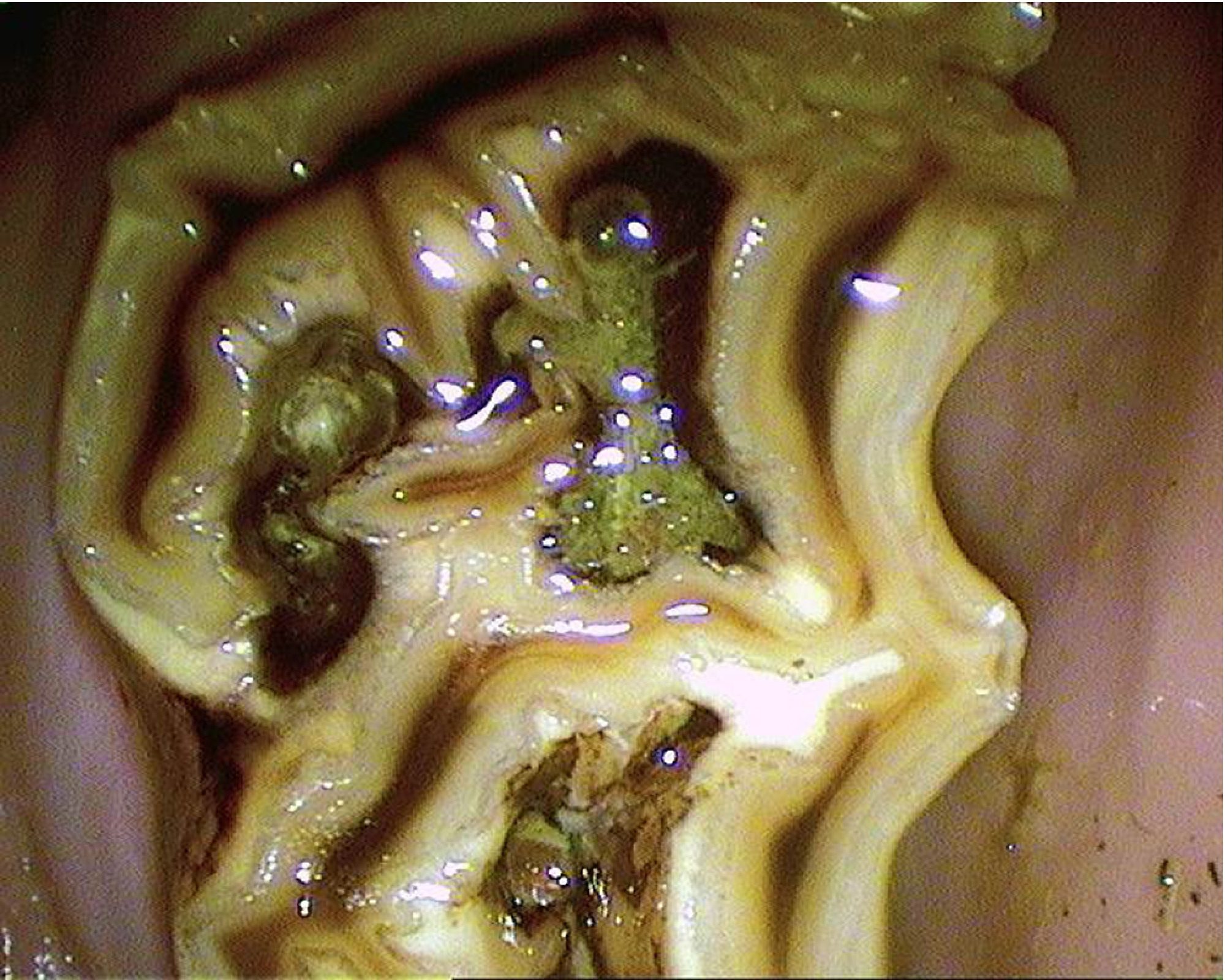
Dental Camera
We also have access to a dental camera, which can be useful to not only visualise any issues within a dental arcade, but also to monitor conditions over time.
Does your horse need a dental?
Book your dental appointment today

Call us on the phoneCall Us: 01442 851 921
Contact us on WhatsAppWhatsApp Us: 07949 428131

Email Us:enquiries@farrandpursey.com