
Preventative Care
Gastroscopy
Contrary to popular belief having a gastroscopy done is not as bad as you think. We are able to scope horses on your yard and only require them to be starved overnight. The whole procedure only lasts 15-20 minutes and you can see everything we do at the same time. You can ask questions and we can send you all of the images and video from the scope itself for future reference.
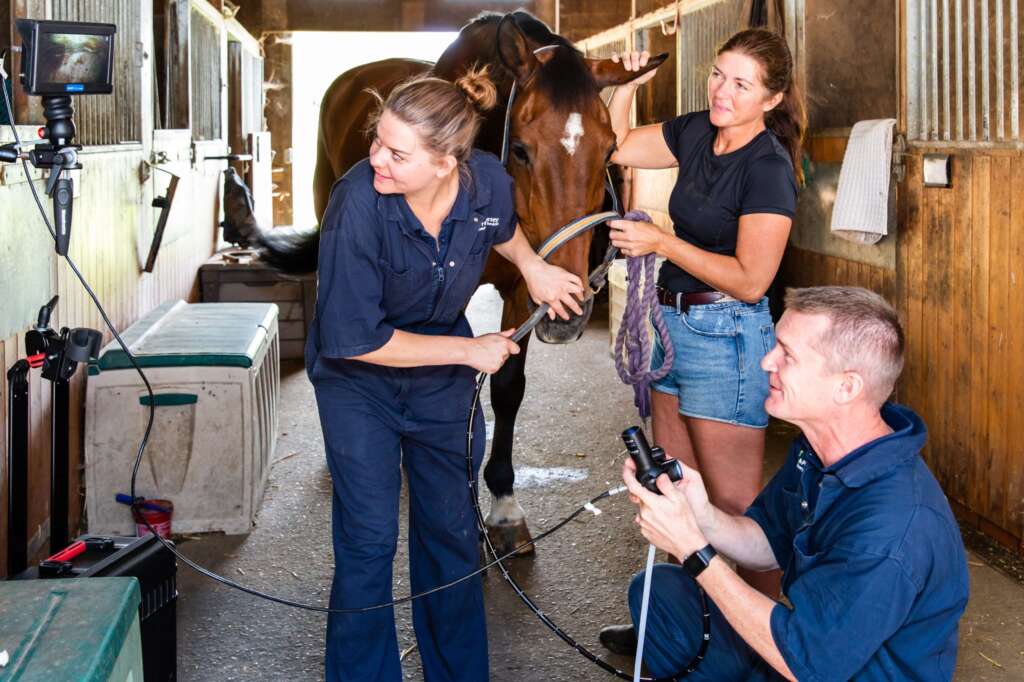
Have a look at what's normal
The Equine Stomach
The horse's stomach can essentially be divided into two portions:
Non glandular – the top of the stomach, which has no acid
Glandular – the bottom of the stomach which holds the stomach acid.
There are several areas where issues more commonly occur: the greater curvature, the lesser curvature and around the pylorus.
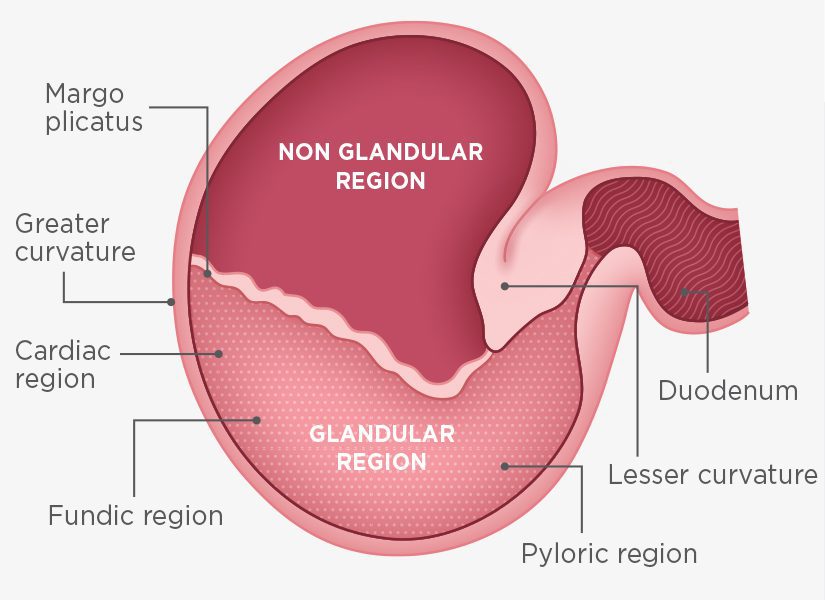
The Normal Stomach
Greater, Lesser Curvature and Pylorus
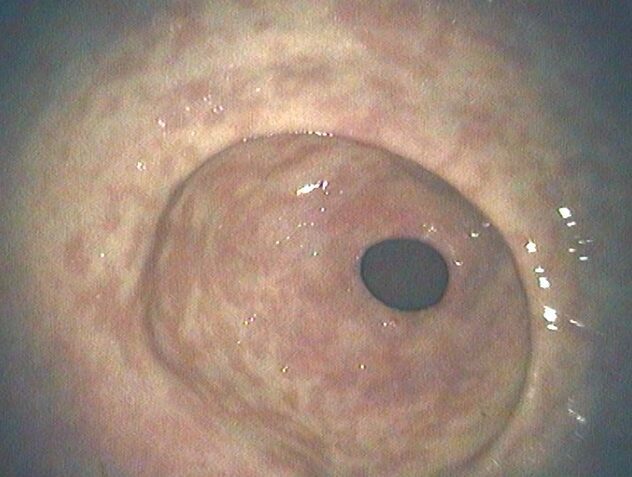
Here you can see a video showing the lesser curvature and pylorus. The lesser curvature is like a “shelf”, whilst the pylorus is the exit from the stomach into the small intestine – seen as a round circle towards the end of the video.
You can also see the acid sat in the bottom of the stomach
Normal Greater Curvature
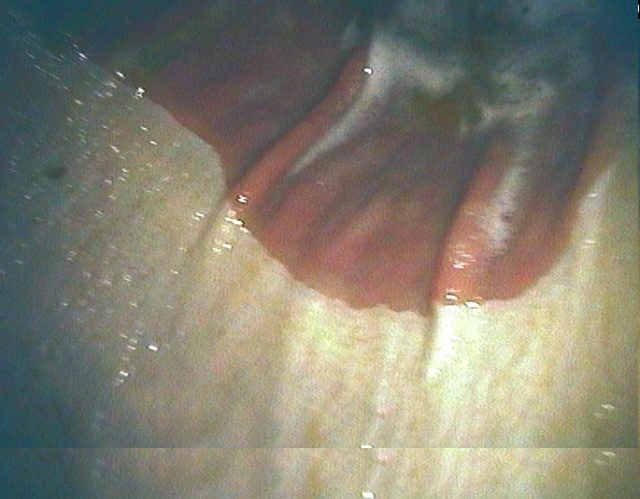
Normal Lesser Curvature
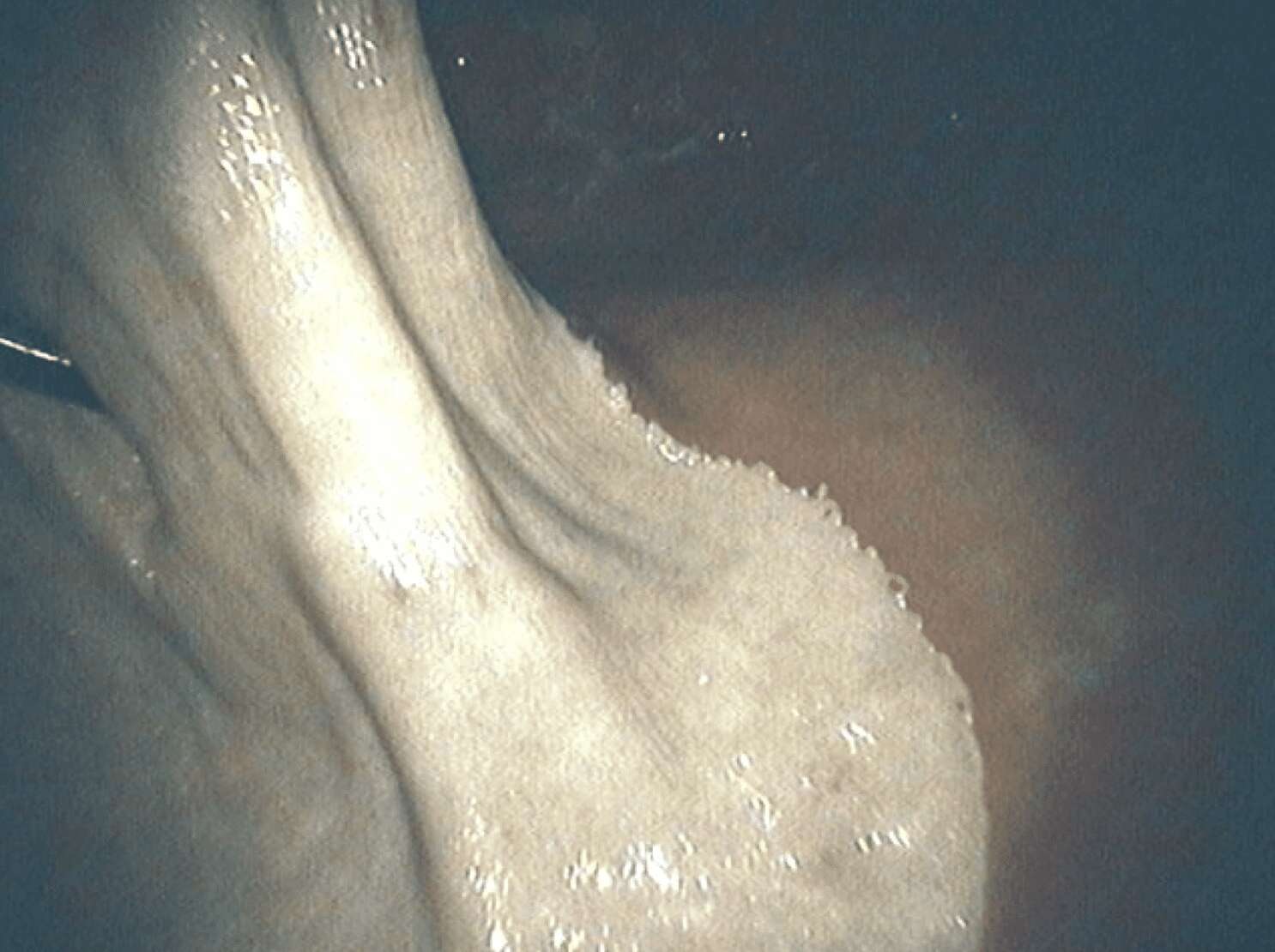
Normal Lesser Curvature
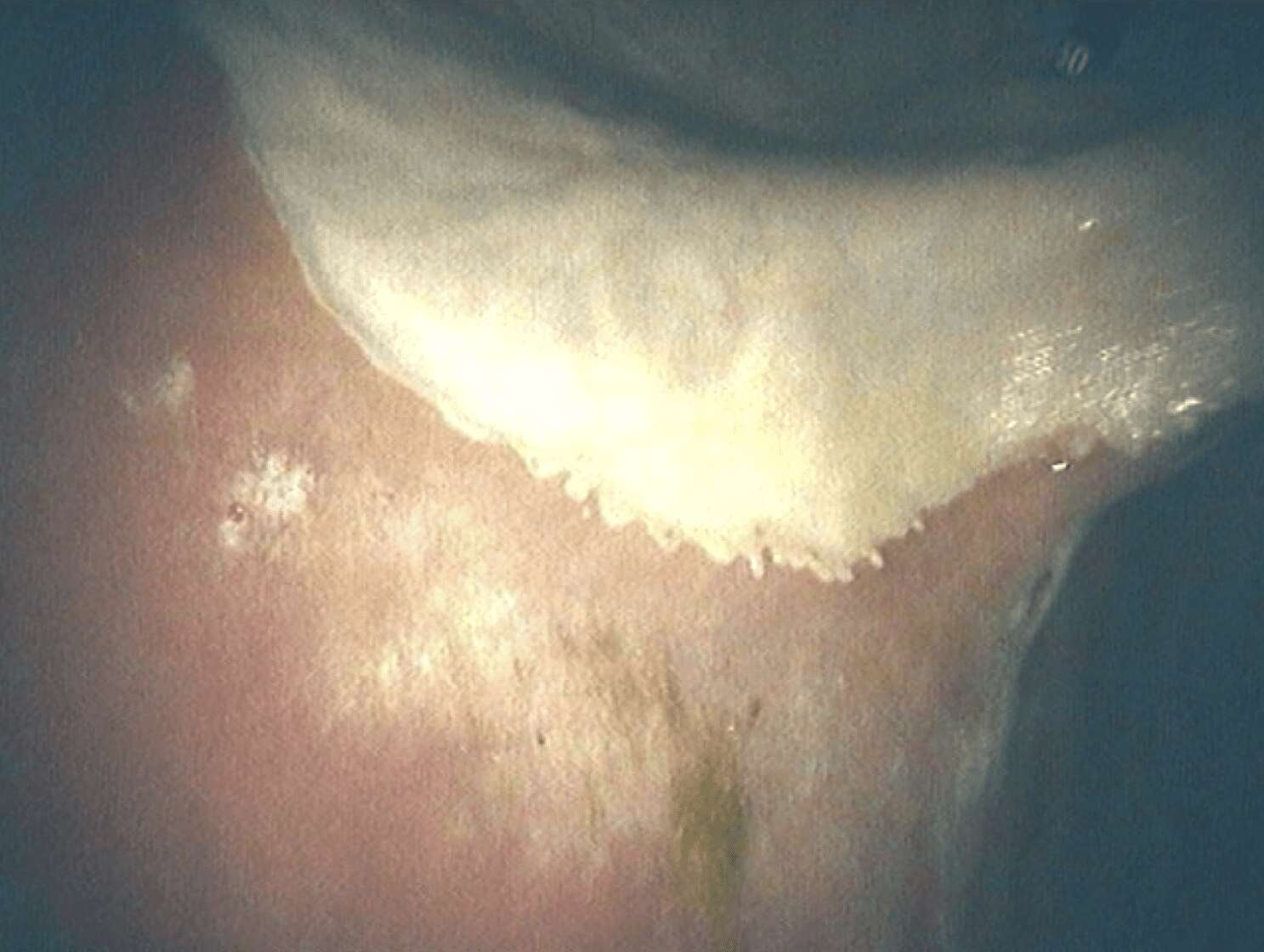
Normal Pylorus / Exit
What a scope looks like
Setting up for a scope
Setting up takes around 2 mins - this video is double the speed to show what's involved.
What a scope looks like
Sedating for a scope
Sedating takes less than 30 seconds - this video is double the speed to show what's involved.
What a scope looks like
Tubing before a scope
We pass a tube into the oesophagus to allow the gastroscope to pass down it. This video is double the speed to show what's involved.
What a scope looks like
The gastroscope itself
The whole process normally takes less than 5 minutes - this video is double the speed to show what's involved.
Think your horse has gastric ulcers?
Book your gastroscopy appointment

Call us on the phoneCall Us: 01442 851 921
Contact us on WhatsAppWhatsApp Us: 07949 428131

Email Us:enquiries@farrandpursey.com