Biomechanics

Lameness workups

Lameness or poor performance issues can be frustrating and sometimes time consuming to diagnosis and resolve. Utilising experience coupled with a multitude of diagnostic and imaging modalities, we can help to speed this process up.
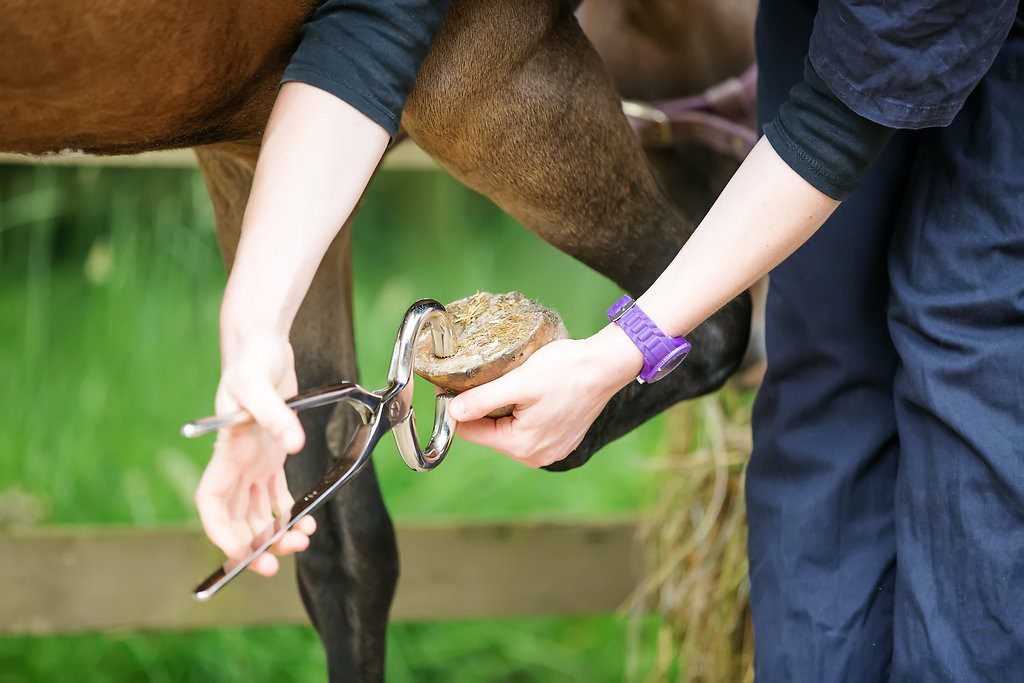
Hoof testers
Lameness investigations

History and Clinical Exam

Never underestimate the value of a history! A thorough history is taken before any physical assessment in order to help streamline further diagnostics tests. Even the most subtle change can sometimes indicate what the underlying cause is. Therefore having a diary of events prior to the lameness / poor performance assessment can always help.

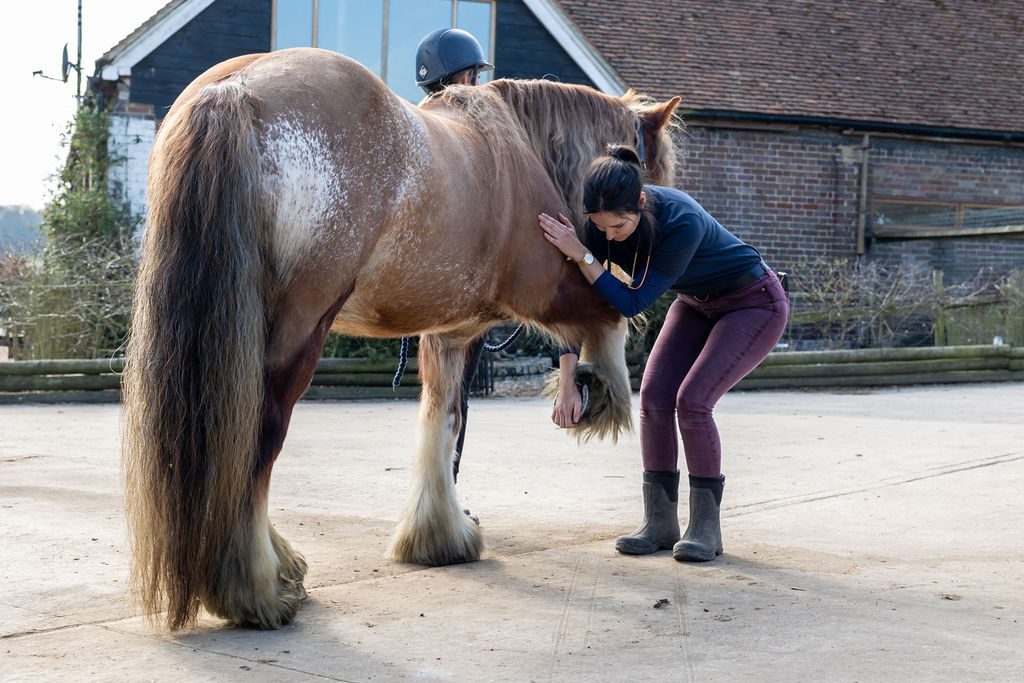
After a history is taken a full static exam takes places, during which the vet will be looking for changes in musculature, abnormalities in the soft tissues and any areas that are painful on palpation.

Lameness investigations

Visual assessment

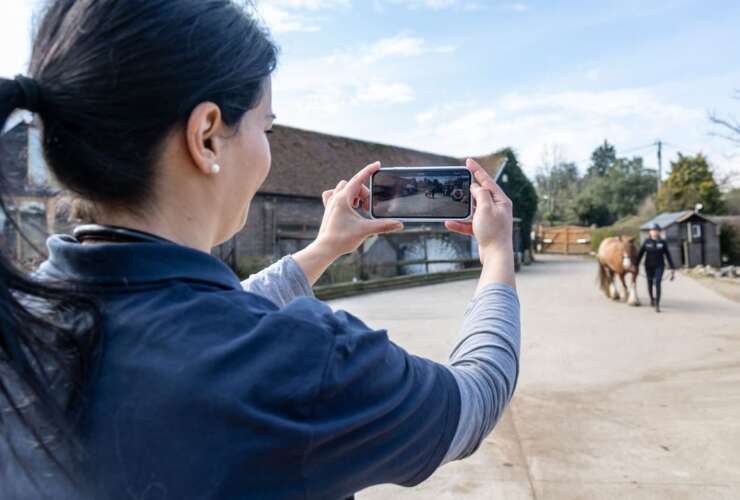
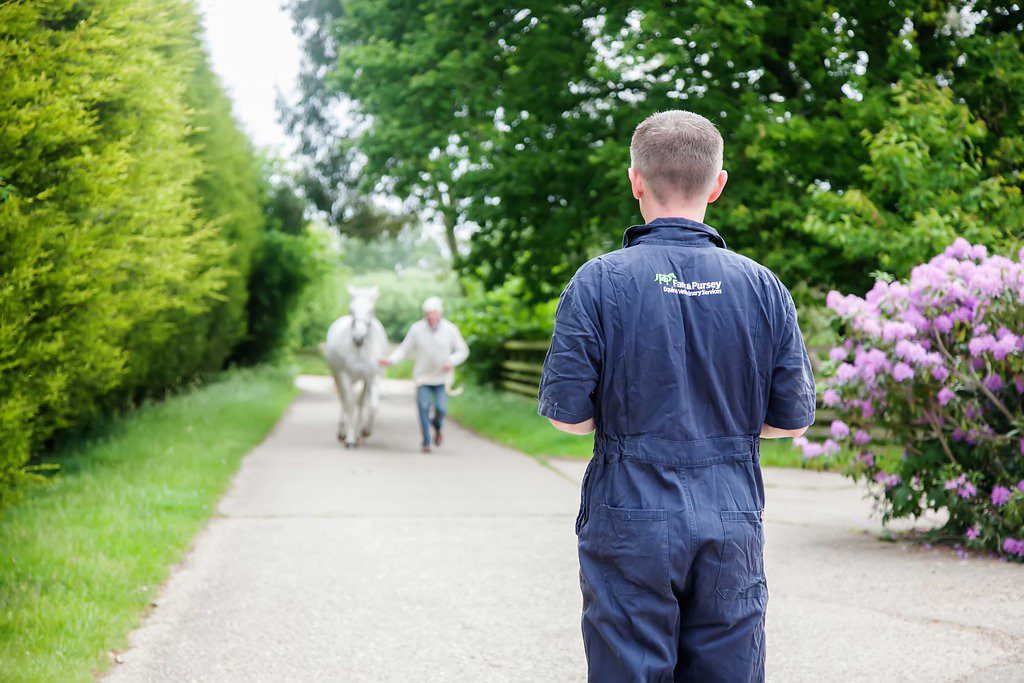
The visual lameness assessment is based on experience. Alterations in gait, pace and limb flight can occur in response to pain, injury or disease. Coupled with the history and static examination the visual assessment, your vet will aim to assess your horse's dynamic movement on the straight line, hard and soft lunge surfaces and sometimes under saddle.

Having access to flat surfaces to conduct these stages of the diagnostic work up is imperative to look for inconsistencies in the various paces.

Our team has a wealth of experience in this field and will often describe what they are seeing at the time – helping owners to understand the diagnostic process, including which items of diagnostic equipment may help to find the cause of the issue.
Visual assessment
joint block
Lameness investigations

Nerve and Joint Blocks

Although we use this term all the time this can be a critical and sometimes time consuming component of a lameness / poor performance workup.

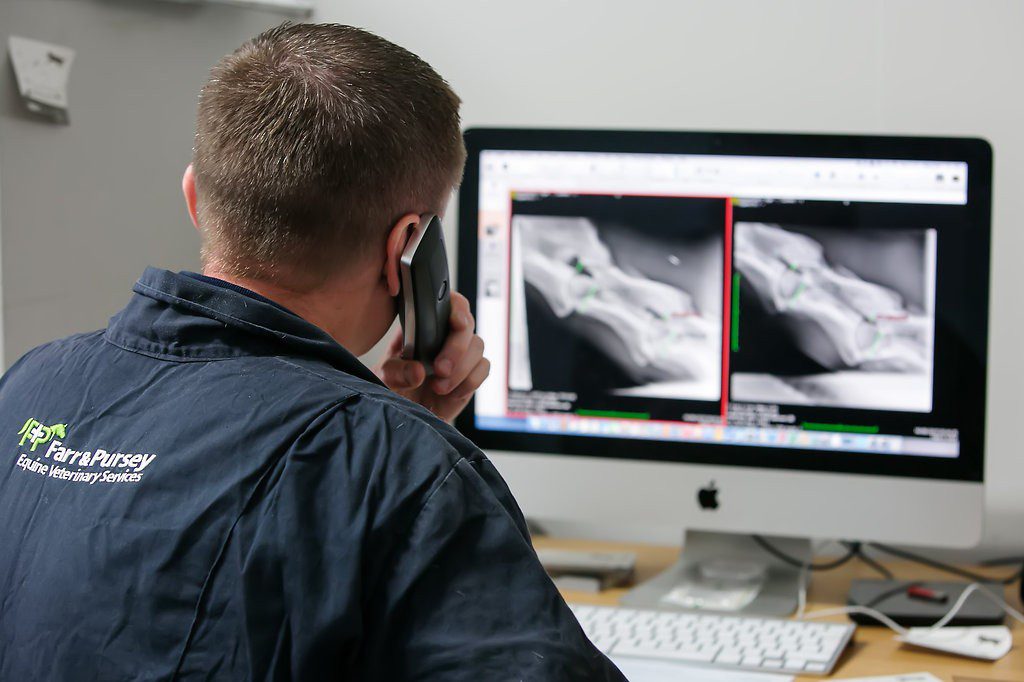
In order to isolate and eliminate pain from a diagnostic approach we are able to infiltrate local anaesthetic around nerves and within joints – which “blocks” or removes the pain sensation. If a patient's gait then improves after this technique is done we know roughly the source of the pain. At this point we often progress onto imaging the area with x-ray or ultrasound to specifically identify the injured / changed structure(s). This then allows us to construct a treatment plan.

Lameness investigations

Sleip Analysis
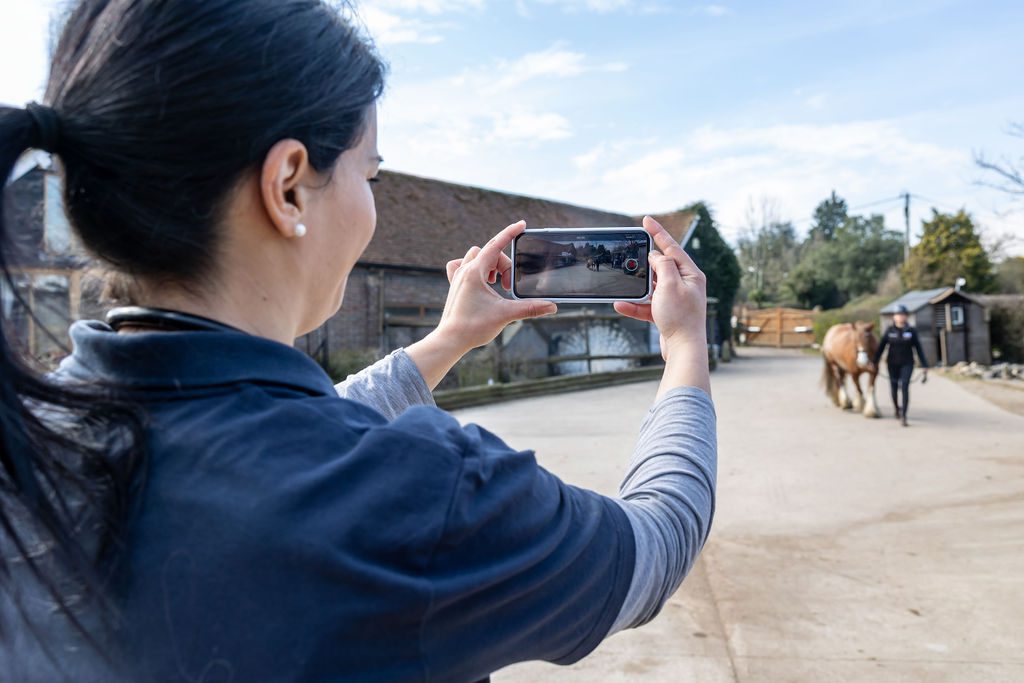
Most of us are familiar with how complex lameness investigations can be. Sleip is an advanced AI tool that can be used to provide objective and evidence-based data about how your horse moves.
Mobile xray
Lameness investigations

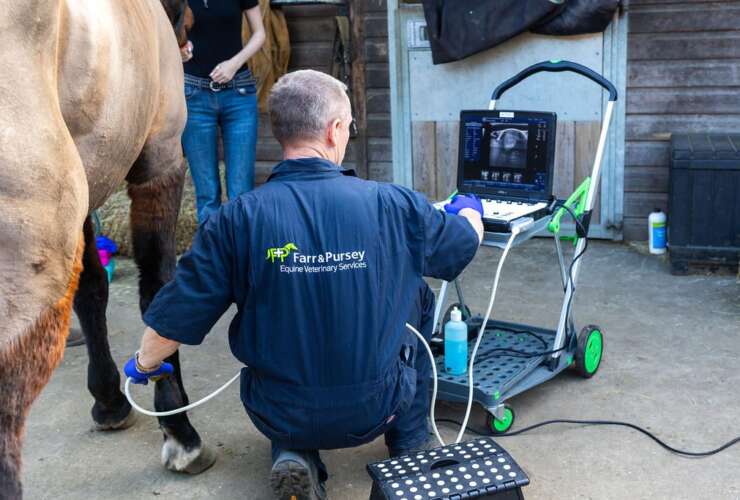
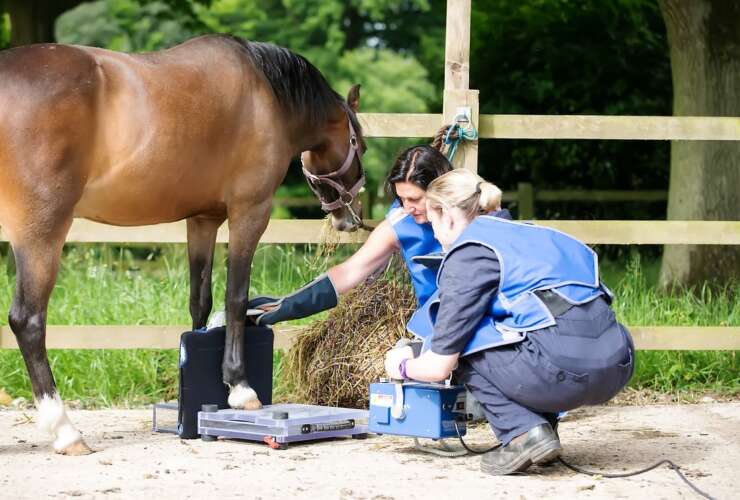
Imaging - X-ray and Ultrasound

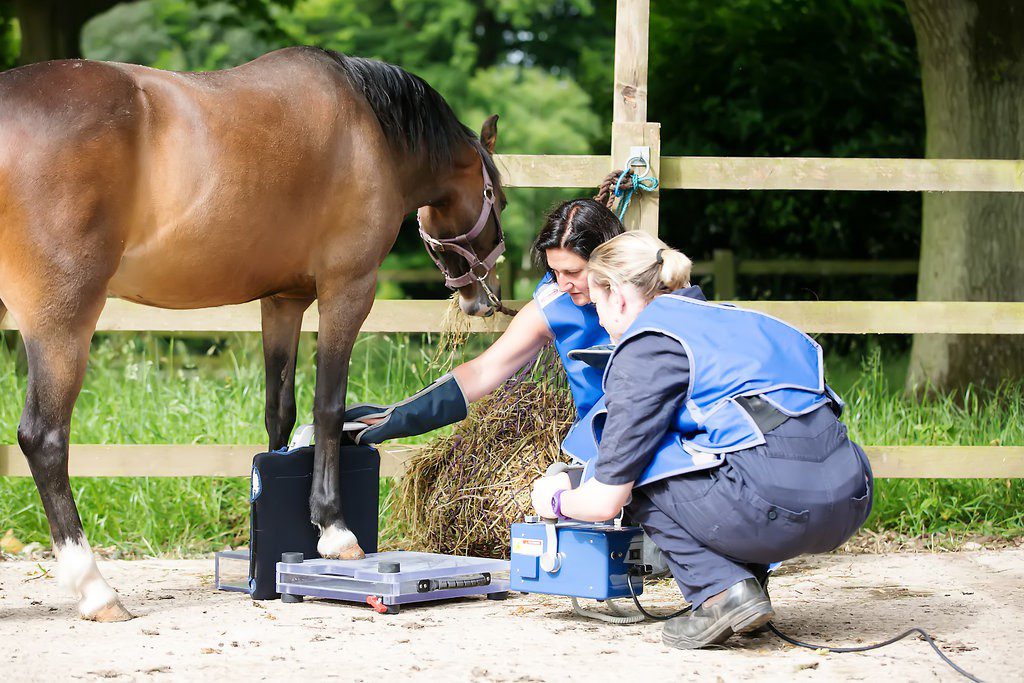
At Farr and Pursey we have heavily invested in some of the most advanced mobile diagnostic equipment on the market. As an ambulatory practice we have ensured all of our equipment is portable and battery powered allowing us to perform most of our diagnostic imaging anywhere. No power on your yard? No problems for us!
Lameness investigations

Referral

Sometimes it is not possible to diagnose the source of a lameness / poor performance issue. We have close relations with various referral practices within the area – offering advanced imaging ( CT and MRI ) in addition to bone scans ( Scintigraphy ). We are able to arrange the referrals for you and are kept up-to-date with their progress, often acting as an intermediary if items need clarifying or treatment needs to be continued back at home.
referral
lameness workup

Equipment we may use during your workup