
Horse Castration: A Complete Guide for Horse Owners
Castration is one of the most commonly performed surgical procedures in equine practice, yet many horse owners have questions about when, why, and how it should be done. This comprehensive guide will help you understand everything you need to know about castrating your colt or stallion.
What is Castration?
Castration is the surgical removal of both testicles from a male horse. Once castrated, the horse is called a gelding. This procedure eliminates the production of testosterone and male hormones, resulting in significant changes to the horse’s behaviour, temperament, and physical development.
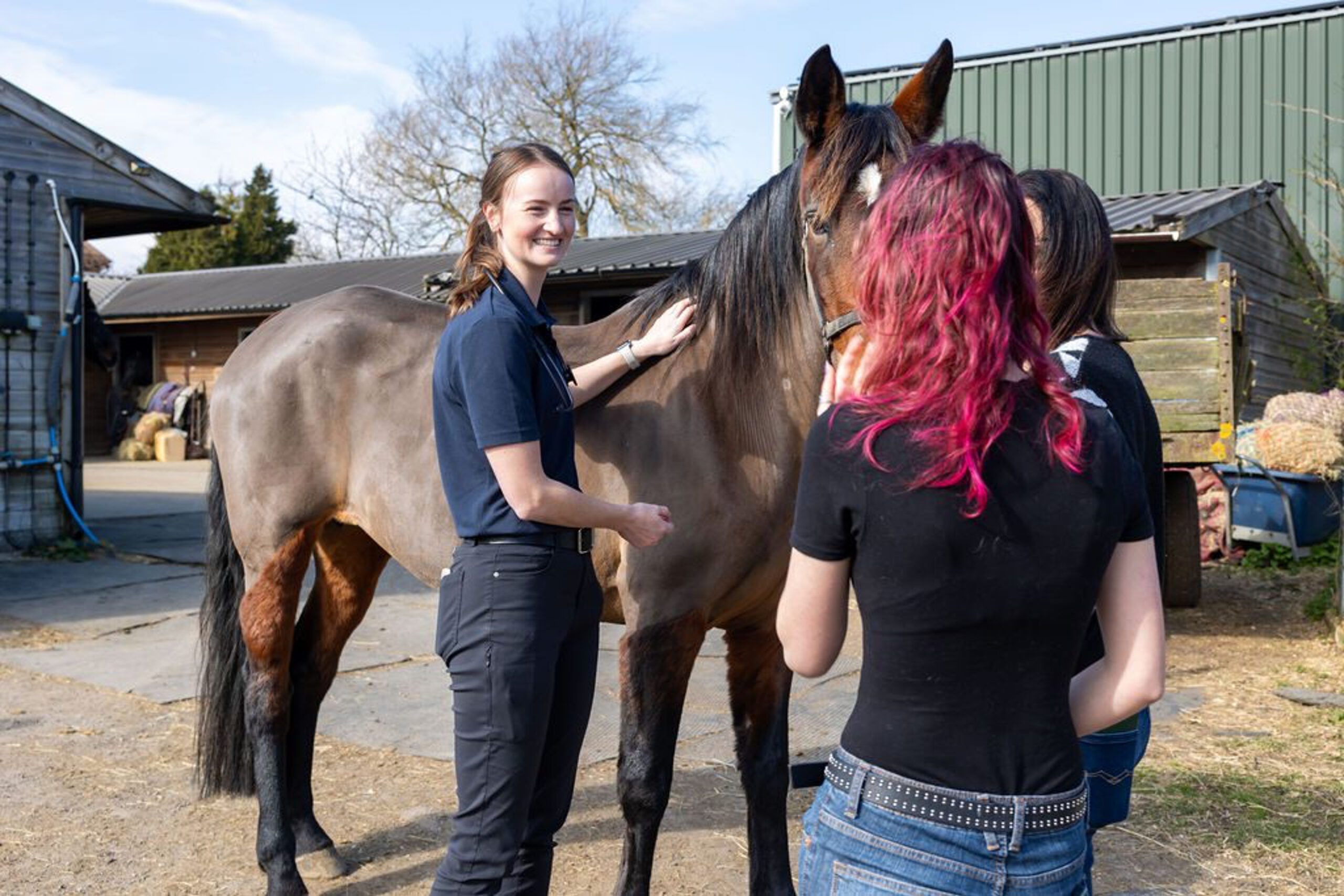
Why Castrate Your Horse?
Behavioural Benefits:
- Reduces aggressive and dominant behaviour
- Eliminates stallion-like tendencies such as calling, striking, and mounting
- Makes the horse safer and easier to handle around other horses
- Reduces territorial behaviour and competition with other males
- Generally results in a calmer, more focused horse for riding and training
Practical Considerations:
- Geldings are typically easier to manage in mixed groups
- Insurance and livery costs could potentially be lower for geldings compared to stallions
- Eliminates the risk of unwanted breeding
- Reduces the likelihood of injury from fighting or territorial disputes
Health Considerations:
- Prevents testicular tumours and other reproductive tract diseases
- Eliminates breeding-related injuries
When Should Castration Be Performed?
Optimal Age: Most veterinarians recommend castration between 6 months and 2 years of age, with many favouring the 12-18 month window. However, the procedure can be performed at almost any age if the horse is healthy and two testicles are present.
Factors to Consider:
- Early castration: Easier recovery, less developed stallion behaviour.
- Later castration: Allows for more masculine development, stronger neck and shoulder muscles, but may have more established stallion behaviours
- Adult castration: Can be performed successfully but requires more careful management and longer recovery. Can also be prone to more complications.
Seasonal Timing: Spring and early summer are ideal times due to:
- Fewer flies and insects
- Better weather conditions for recovery
- Less muddy conditions in paddocks
- Optimal healing temperatures
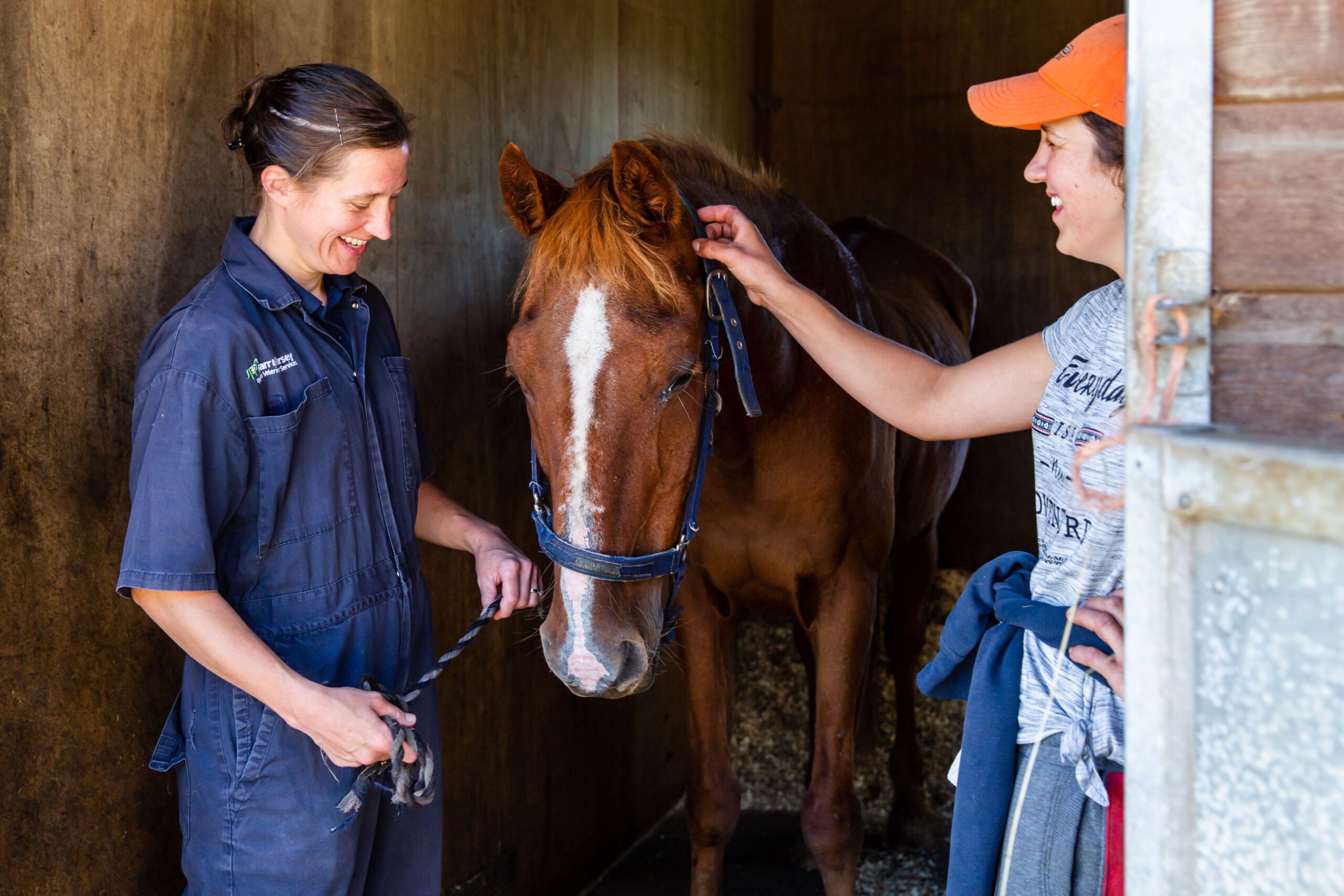
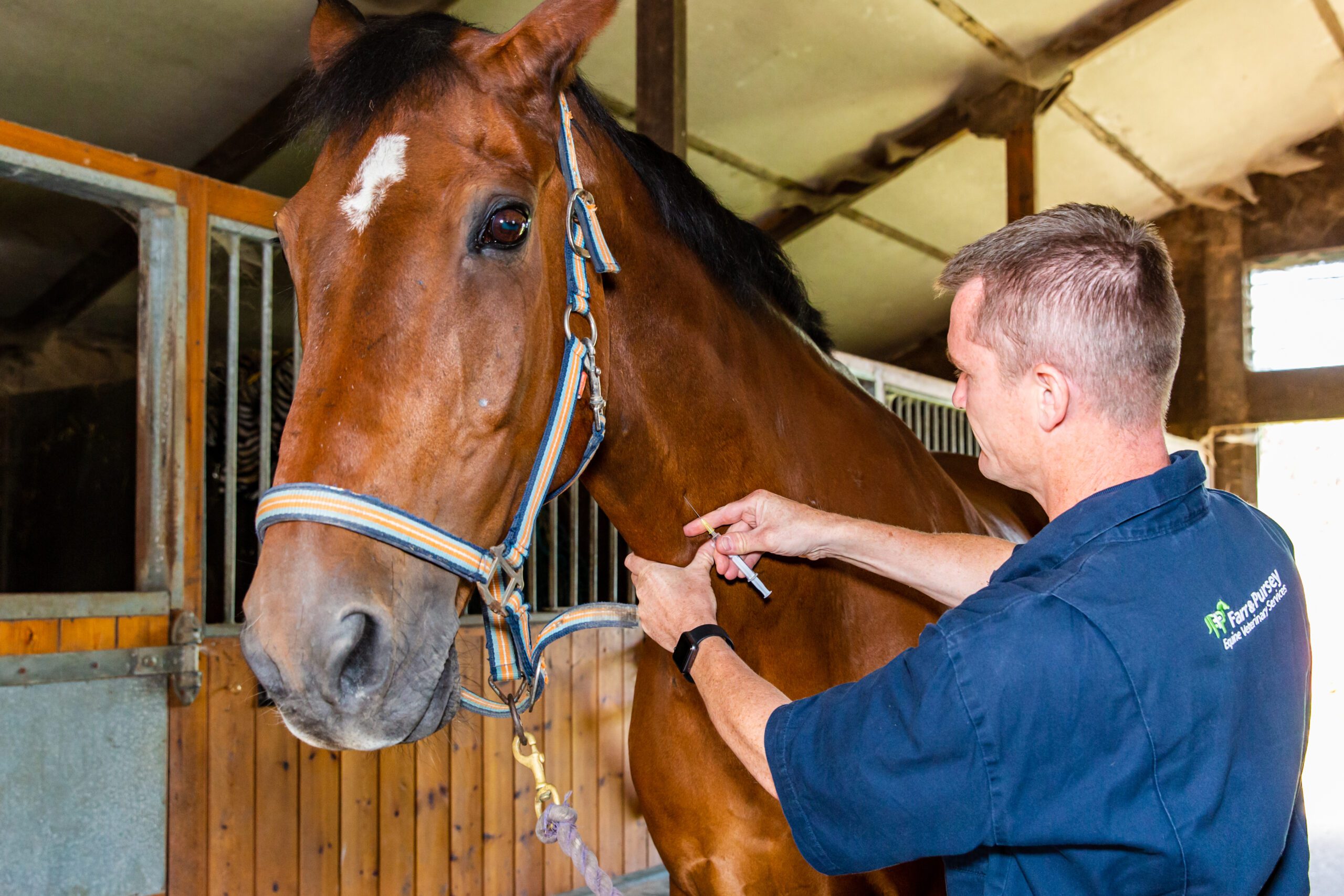
The Castration Procedure
Pre-operative Considerations:
- Comprehensive health examination
- Up-to-date vaccinations, particularly tetanus
Surgical Options:
Standing Castration:
- Performed under sedation and local anaesthetic
- Horse remains standing throughout
- Suitable for most healthy young horses
- Shorter procedure time
- Lower anaesthetic risk
Recumbent Castration:
- Performed under general anaesthetic
- Horse lies down for the procedure
- May be necessary for older horses or those with complications
- Allows for more complex procedures if needed
- Higher anaesthetic risk but better surgical access
Surgical Techniques: Your veterinarian will choose the most appropriate technique based on your horse’s age, condition, and individual circumstances. Modern techniques focus on minimising complications and ensuring optimal healing.
Post-Operative Care
Immediate Aftercare (First 24-48 Hours):
- Monitor for excessive bleeding or swelling
- Keep the horse in a clean, dry environment
- Restrict movement initially, then gradually increase exercise as directed
- Administer prescribed medications
- Check incision sites regularly for signs of infection
Exercise and Movement: Contrary to old beliefs, controlled exercise is beneficial for healing:
- Days 1-2: Stable rest with hand-walking as advised
- Days 3-7: Gradually increase turnout time in small, clean paddock
- Week 2-3: Normal turnout usually acceptable if healing well
- Month 1: Full exercise typically resumed if no complications
Wound Management:
- Keep incision sites clean and dry
- Daily inspection for swelling, discharge, or heat
- Some swelling is normal; excessive swelling requires veterinary attention
- Follow your vet’s specific instructions regarding wound care
Signs Requiring Immediate Veterinary Attention:
- Excessive bleeding
- Severe swelling that doesn’t respond to treatment
- Signs of infection (fever, loss of appetite, depression)
- Difficulty urinating
- Excessive pain or distress
- Any concerns about healing progress
Potential Complications
While castration is generally very safe, owners should be aware of possible complications:
Common, Minor Complications:
- Temporary swelling (normal and expected)
- Minor bleeding immediately post-surgery
- Temporary changes in appetite or behaviour
Rare but Serious Complications:
- Excessive haemorrhage
- Infection
- Eviseration (protrusion of intestines)
- Anaesthetic complications
- Penile paralysis (very rare)
The overall complication rate for routine castration is very low when performed by experienced veterinarians with proper aftercare.
Cost Considerations
Castration costs vary depending on:
- Type of anaesthetic used (standing vs. general)
- Aftercare requirements
- Any complications that may arise
While the initial cost may seem significant, consider the long-term benefits in terms of management, safety, and reduced insurance costs.
Long-term Effects
Behavioural Changes:
- Reduction in aggressive behaviour (may take several months)
- Decreased territorial instincts
- Generally calmer disposition
- Improved focus for training and riding
Timeline for Changes:
- Immediate: Elimination of sperm production ( however still fertile for potentially up to 6 weeks post surgery )
- 2-4 weeks: Testosterone levels drop significantly
- 2-6 months: Behavioural changes become apparent
- 6-12 months: Full behavioural transformation typically complete

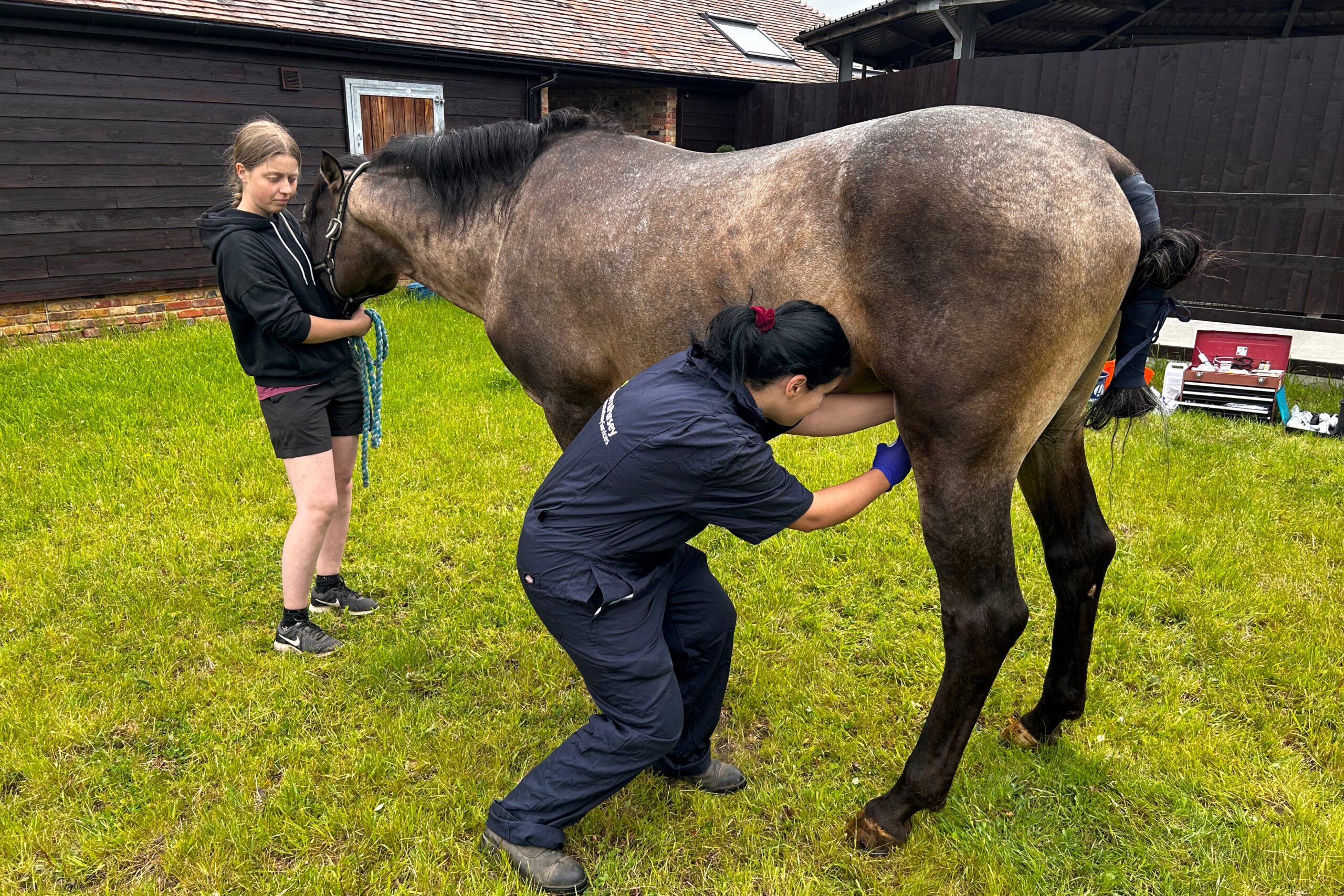
Making the Decision
Consider castration if:
- You don’t intend to breed your horse
- Safety and manageability are priorities
- You want to compete in most disciplines
- You plan to keep your horse with other horses
- You’re looking for a calmer, more focused riding horse
Delay castration if:
- You’re planning to breed (ensure proper evaluation of breeding quality first)
- You want to allow more masculine development
- Your horse is currently unwell or stressed
Preparing for the Procedure
Before Surgery:
- Discuss timing with us for specific requirements
- Ensure vaccinations are current
- Arrange for appropriate aftercare facilities
- Plan for reduced activity during recovery
- Have emergency contact information readily available
Questions to Ask Us:
- What surgical technique will be used?
- What type of anaesthetic is recommended?
- What are the specific aftercare requirements?
- When can normal activity resume?
- What signs should prompt immediate contact?
- What are the total costs involved?
Conclusion
Castration is a routine but important decision that can significantly impact your horse’s future behaviour, management, and quality of life. When performed by experienced veterinarians with proper aftercare, it’s a very safe procedure with excellent long-term benefits for most horses not intended for breeding.
The key to success lies in choosing the right timing, working with qualified professionals, and following proper aftercare protocols. Most horse owners find that the benefits of castration far outweigh any short-term inconvenience, resulting in safer, more manageable, and often happier horses.
Remember that every horse is individual, and what works for one may not be ideal for another. Always consult with your veterinarian to determine the best approach for your specific situation and horse.
This information is provided for educational purposes and should not replace professional veterinary advice. Always consult one of our vets before making decisions about your horse’s health and surgical procedures.