
Internal Medicine
In-House Laboratory
Here at Farr and Pursey Equine, we offer a wide range of in-house laboratory tests that can help with the diagnosis and monitoring of many equine conditions. The services we offer include haematology, biochemistry (standard and liver profiles), serum amyloid A measurements, cytology, and worm egg counts. By running these tests in-house, results can be obtained promptly ( sometimes within a matter of a few hours ) which enables our vets to identify conditions and make decisions regarding treatment and ongoing management. We can also send samples to a laboratory for more advanced testing if required.
In-House Laboratory
Heamatology
Haematology is the study of the blood, including the red and white blood cells, haemoglobin, and platelets. Haematology tests are crucial for the diagnosis and management of a wide range of conditions including anaemia, infection, immune system disorders, and certain neoplasias.
In-House Laboratory
Biochemistry
Biochemistry tests measure various substances in the blood, including enzymes, electrolytes, lipids, glucose, proteins and other molecules. These tests help assess the overall health of your horse, organ function, screening for disease, and diagnosing medical conditions. It can also be used to monitor long-term conditions and the side effects of certain medications.
In-House Laboratory
Serum Amyloid A
Serum amyloid A (SAA) is an acute phase protein that is produced predominantly by the liver in response to inflammation due to infection. It usually increases with a few hours of the onset of inflammation and can be detected in peripheral blood within 6-12 hours (depending on the severity of infection).
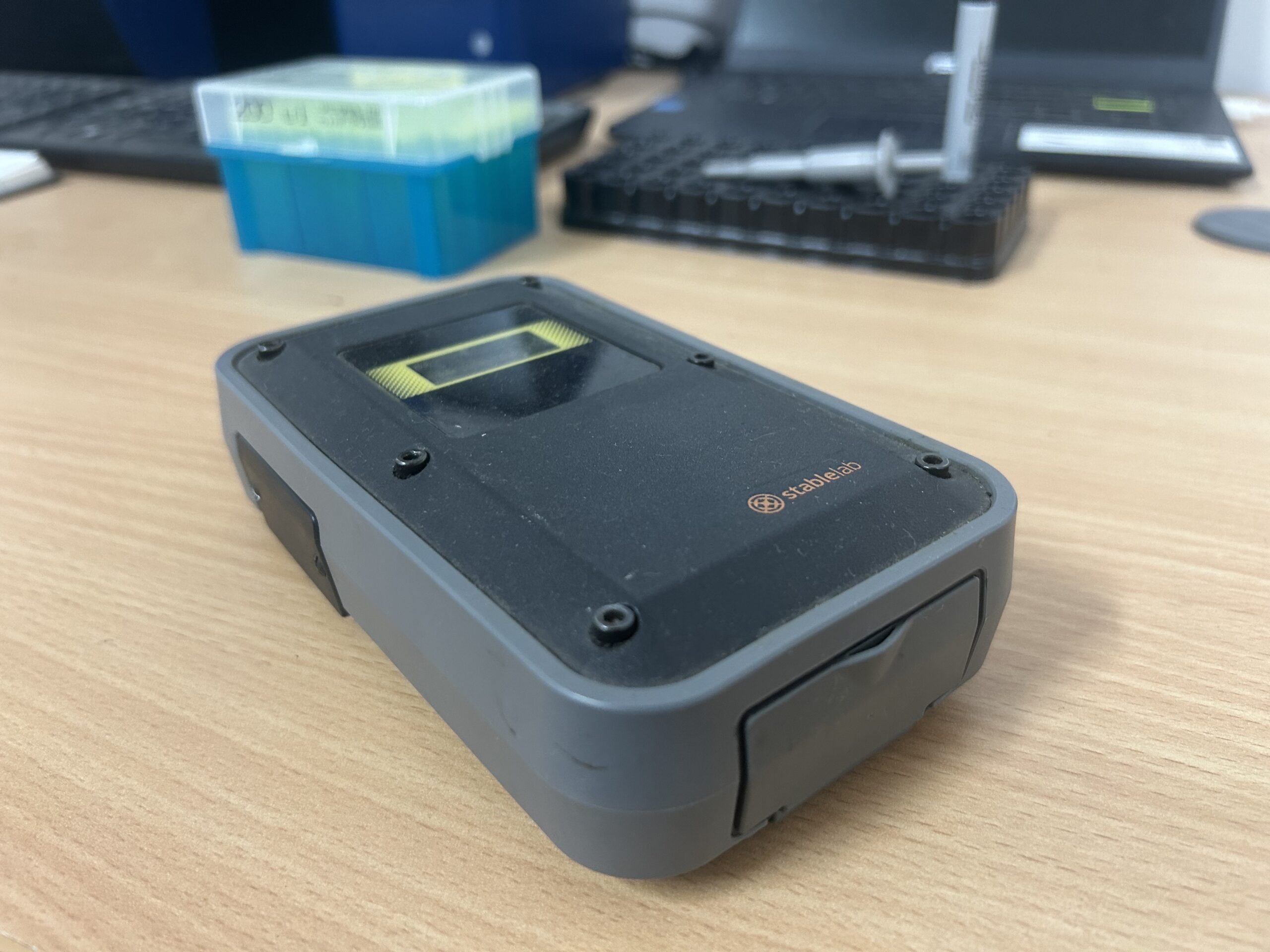
We are also able to run this test on your yard with mobile SAA readers - getting a result in only 9 minutes!
In-House Laboratory
Cytology
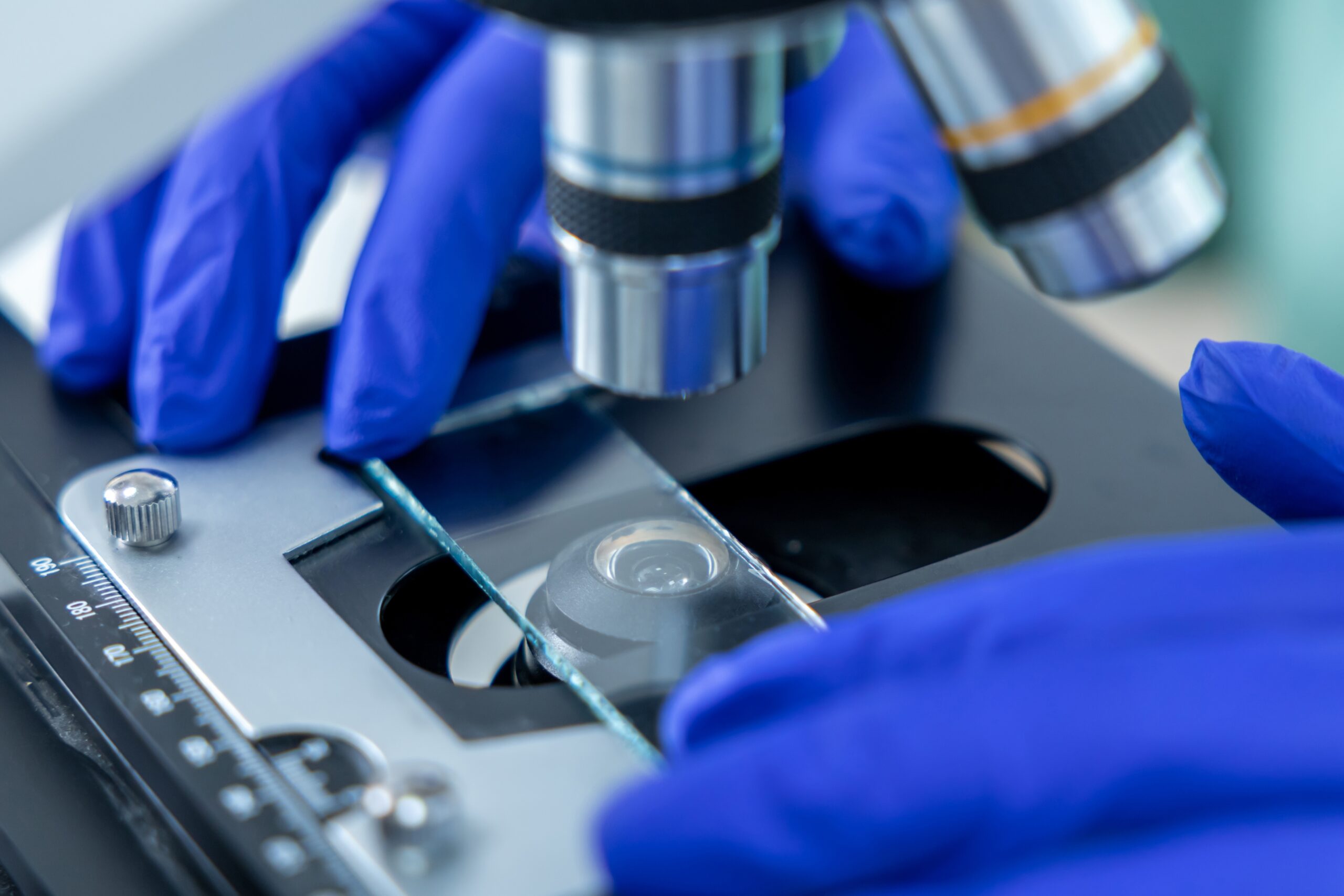
Cytology is a vital diagnostic tool used to examine cells and their structure under a microscope. Samples we can assess include blood, joint fluid, abdominal fluid, urine, semen, skin scrapes, and mass biopsies. Cytology can be crucial in the diagnosis of infection, inflammation, neoplasia (benign vs malignant), fungal infections, and more.
I- House Laboratory
Worm Egg Counts
Worm egg counts are performed to determine the level of parasite burden, specifically strongyle-type worms such as red worms and roundworms, and to guide targeted deworming strategies. With the rise in worm resistance to multiple of our current worming products, it is important to worm horses strategically (I.e. when they have a high worm egg count) to ensure we aren’t encouraging the develop of further resistance.