Working up a
Poor Performance
Lameness investigations
History and Clinical Exam
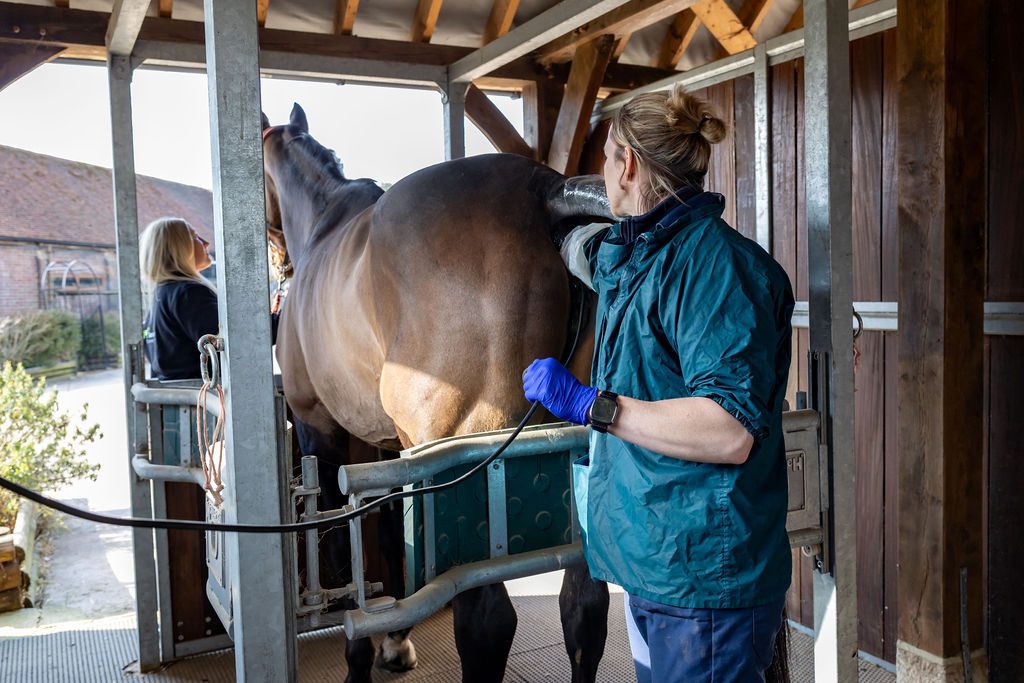
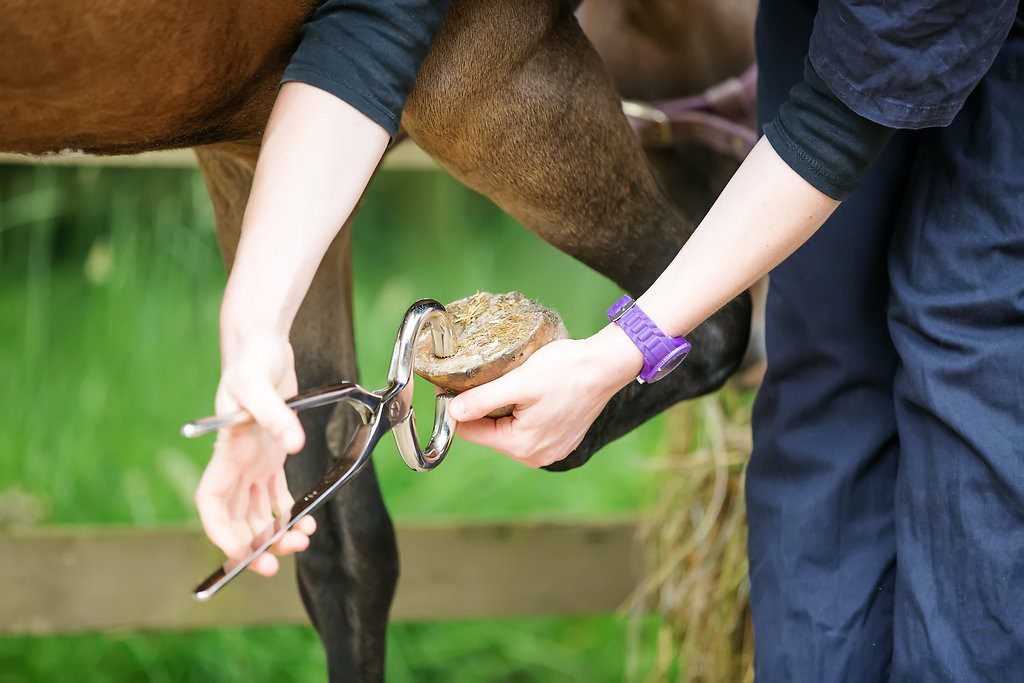
After a history is taken a full static exam takes places, during which the vet will be looking for changes in musculature, abnormalities in the soft tissues and any areas that are painful on palpation.
Lameness investigations
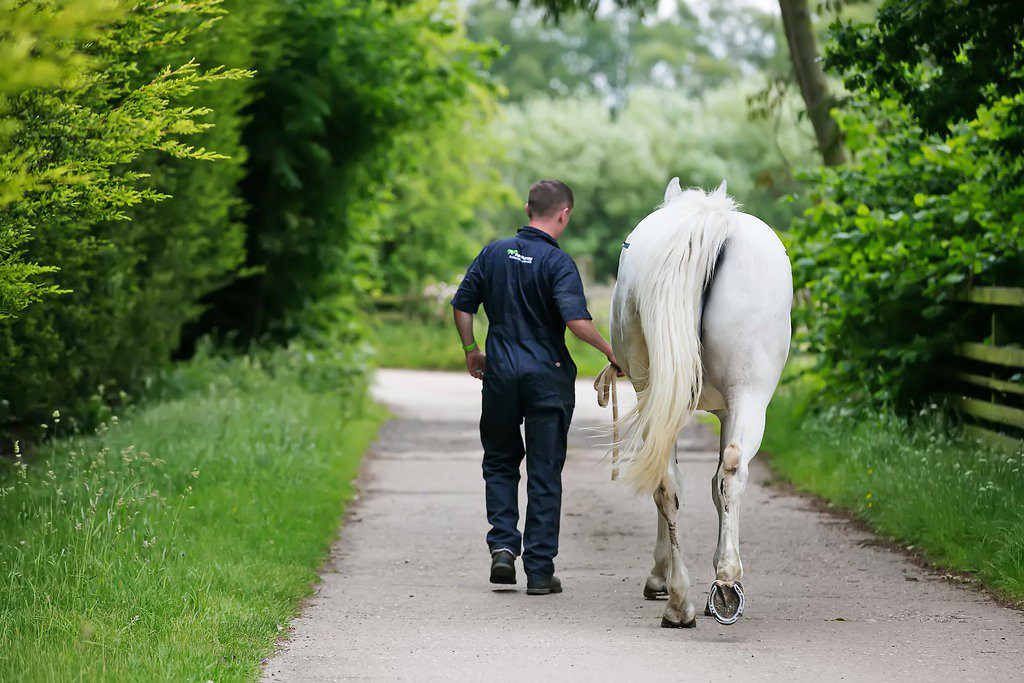
Visual assessment
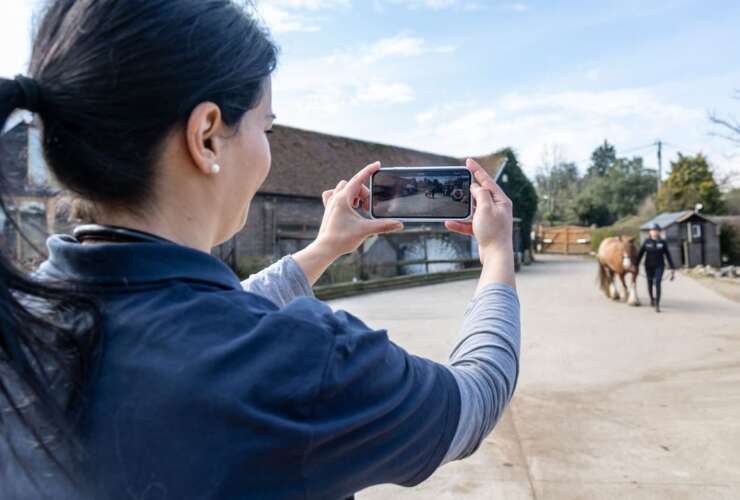
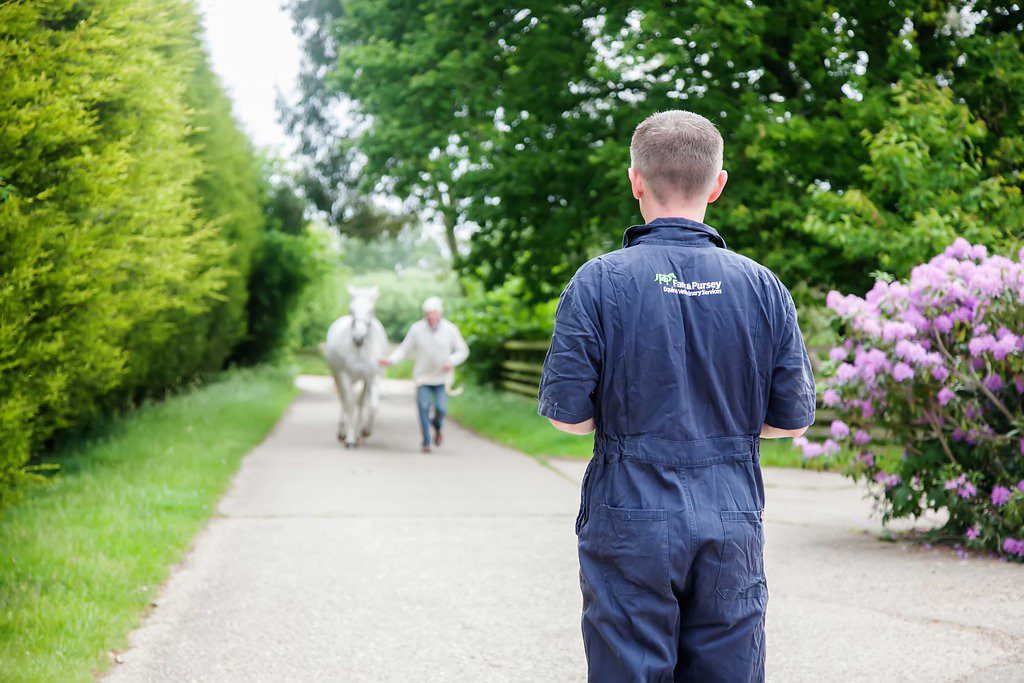
Having access to flat surfaces to conduct these stages of the diagnostic work up is imperative to look for inconsistencies in the various paces.
Our team has a wealth of experience in this field and will often describe what they are seeing at the time – helping owners to understand the diagnostic process, including which items of diagnostic equipment may help to find the cause of the issue.
Lameness investigations
Nerve and Joint Blocks
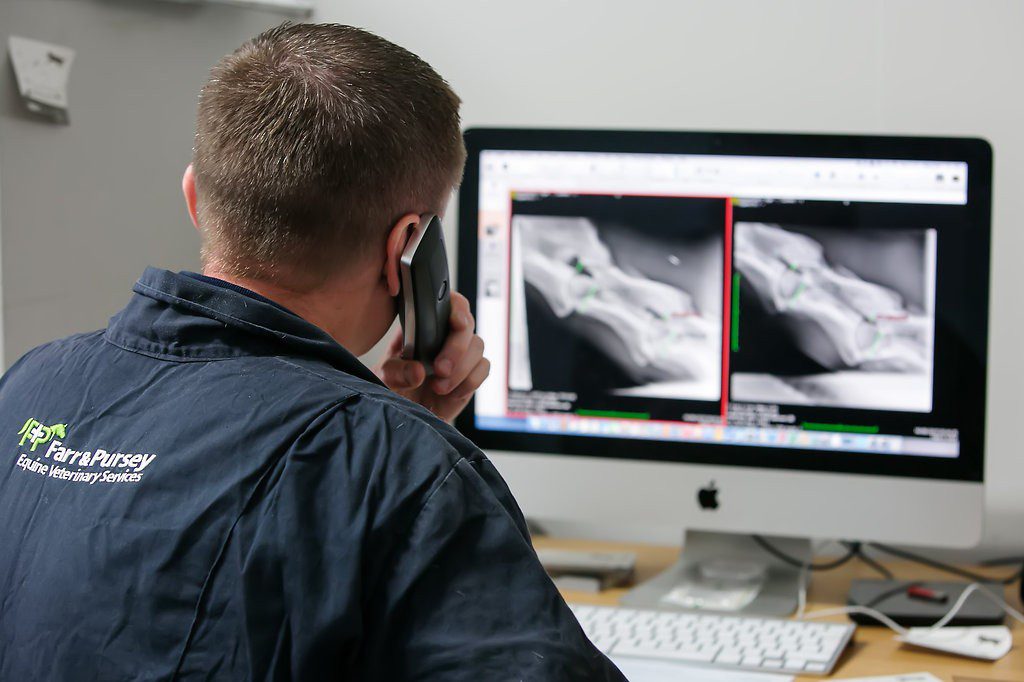
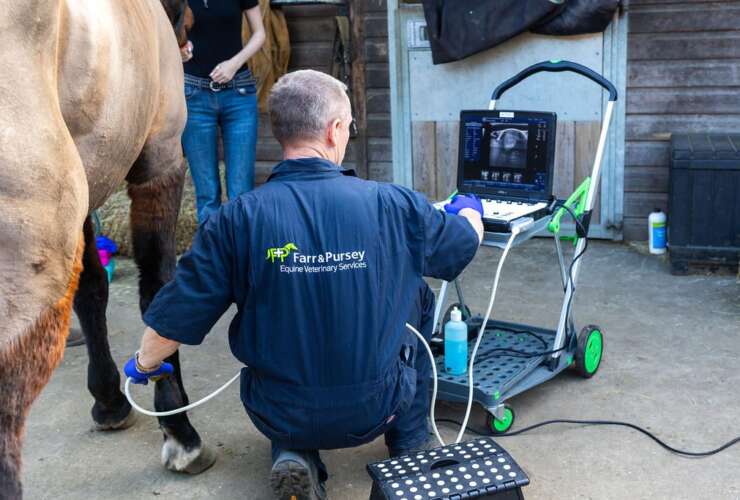
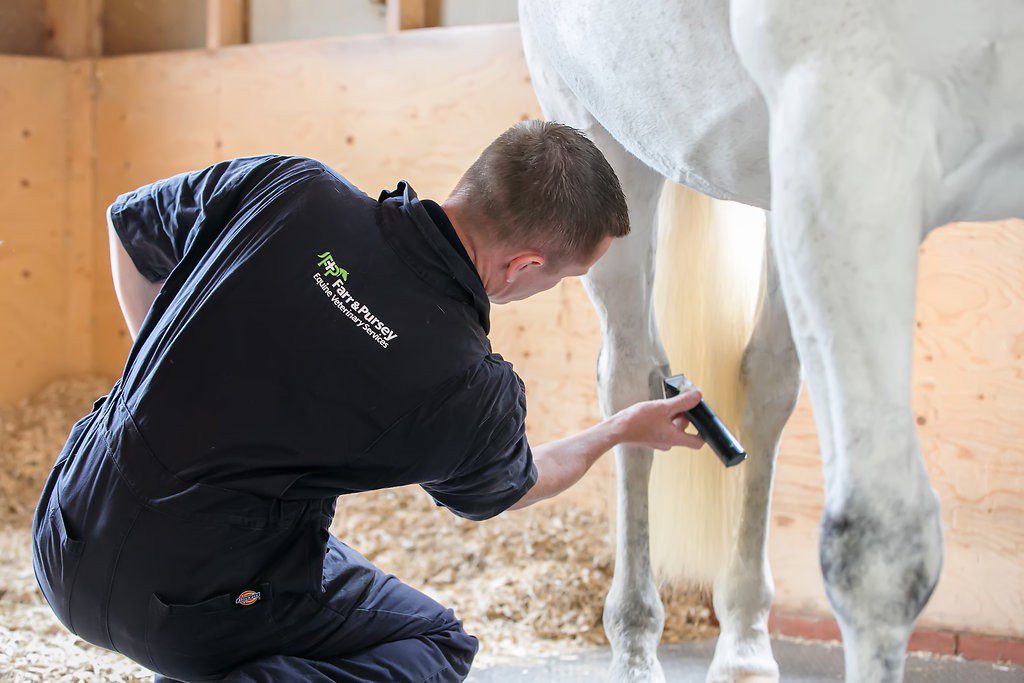
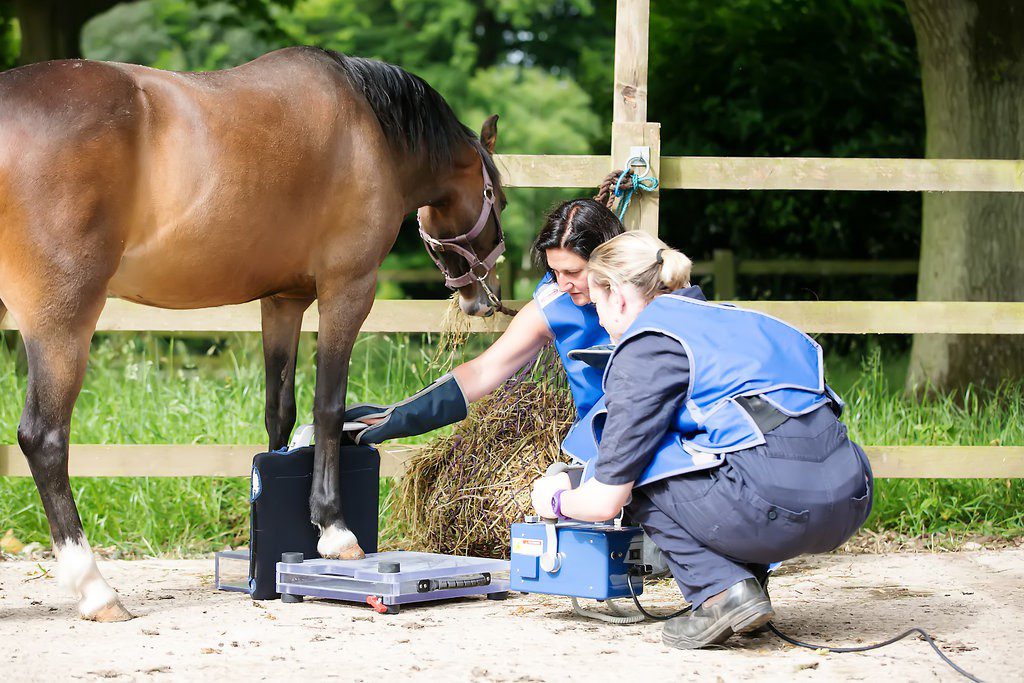
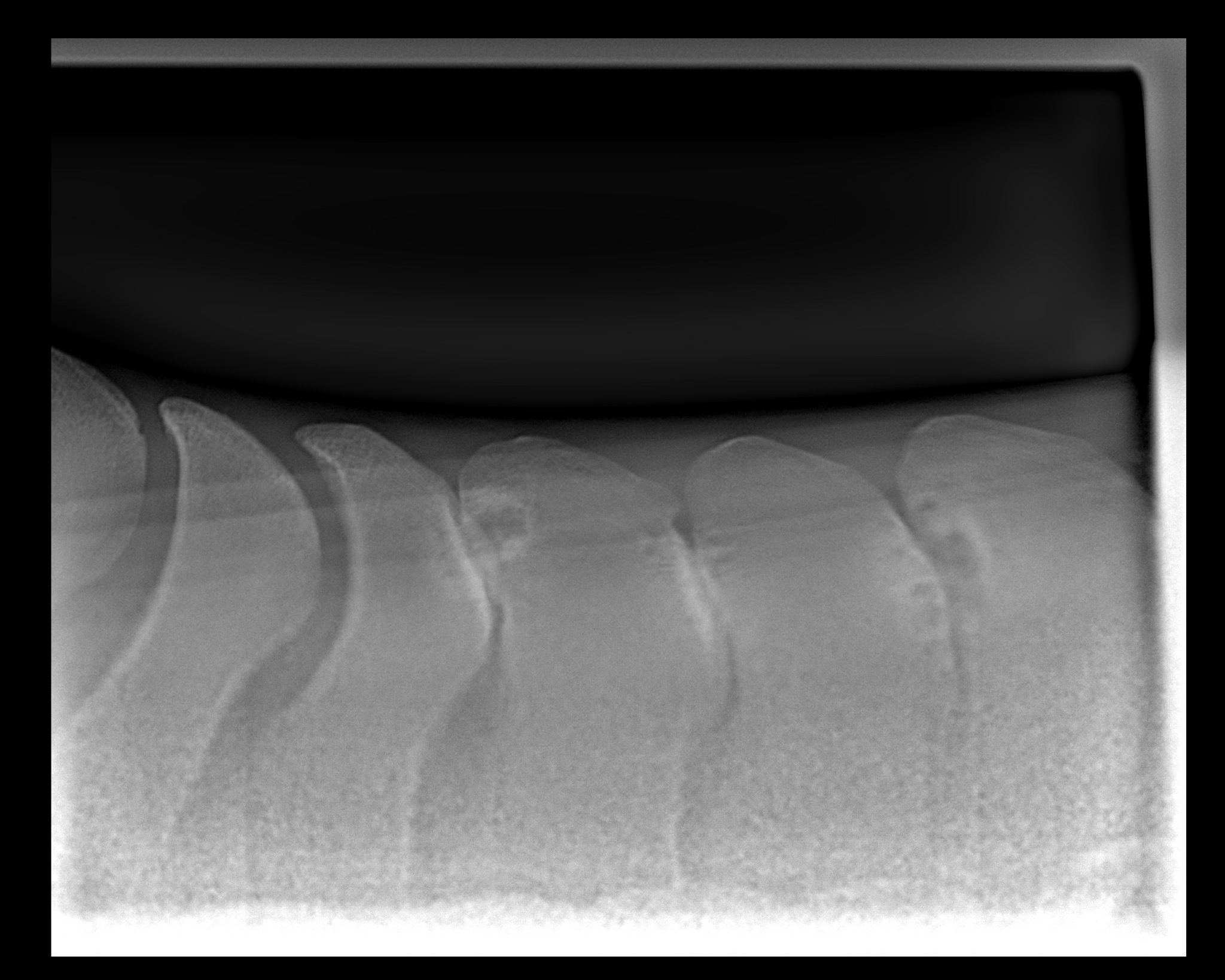
In order to isolate and eliminate pain from a diagnostic approach we are able to infiltrate local anaesthetic around nerves and within joints – which “blocks” or removes the pain sensation. If a patient's gait then improves after this technique is done we know roughly the source of the pain. At this point we often progress onto imaging the area with x-ray or ultrasound to specifically identify the injured / changed structure(s). This then allows us to construct a treatment plan.
Lameness investigations
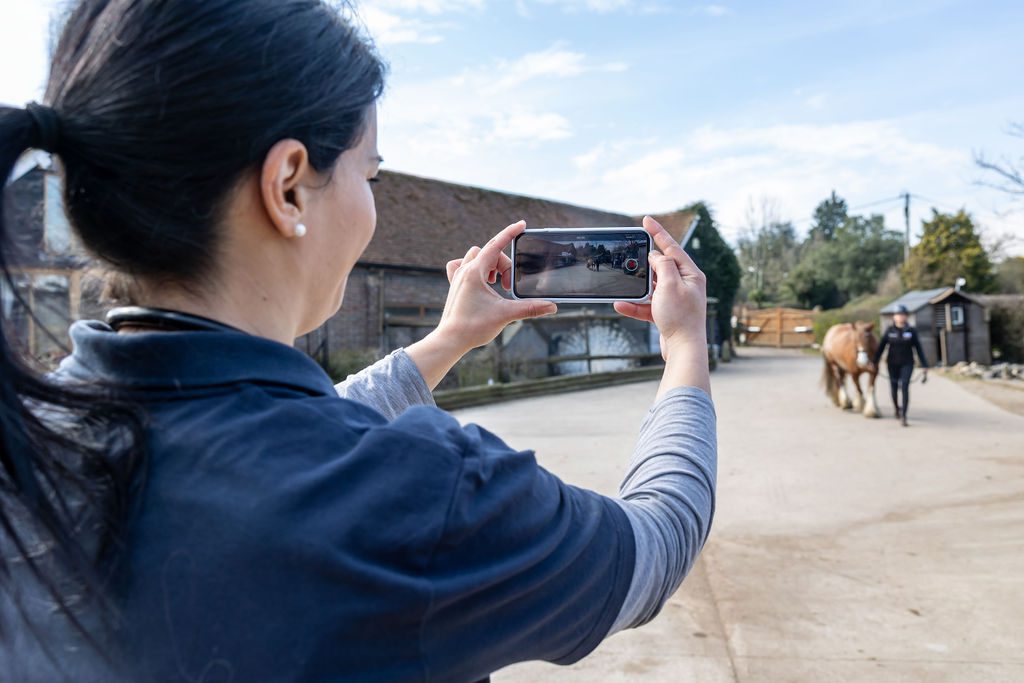
Sleip Analysis
Lameness investigations
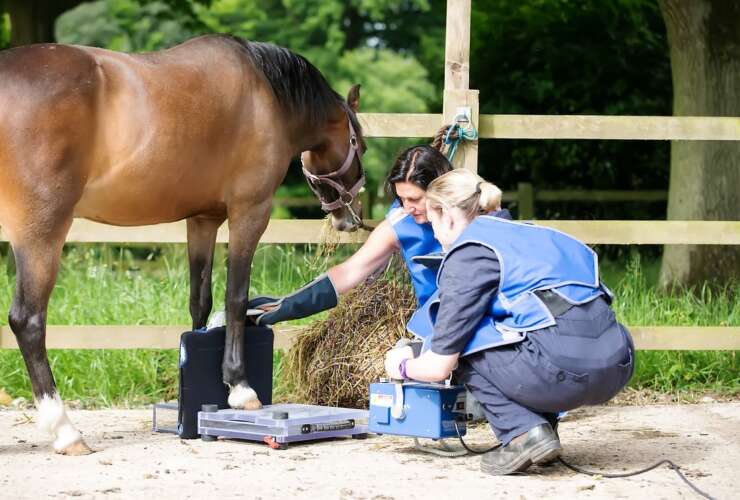
Imaging - X-ray and Ultrasound
Lameness investigations
Back and neck Imaging
Lameness investigations
Gastroscopy
Lameness investigations
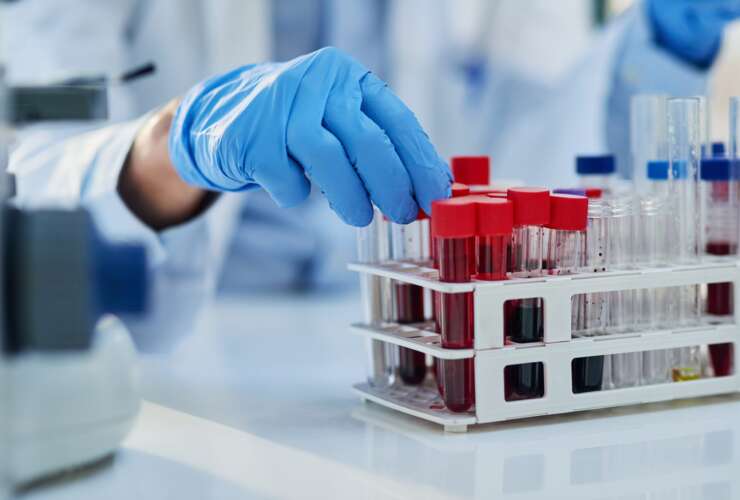
Blood tests
Lameness investigations
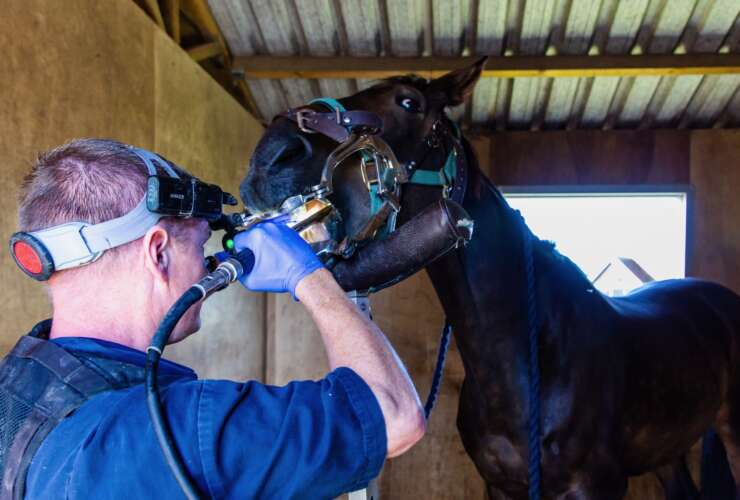
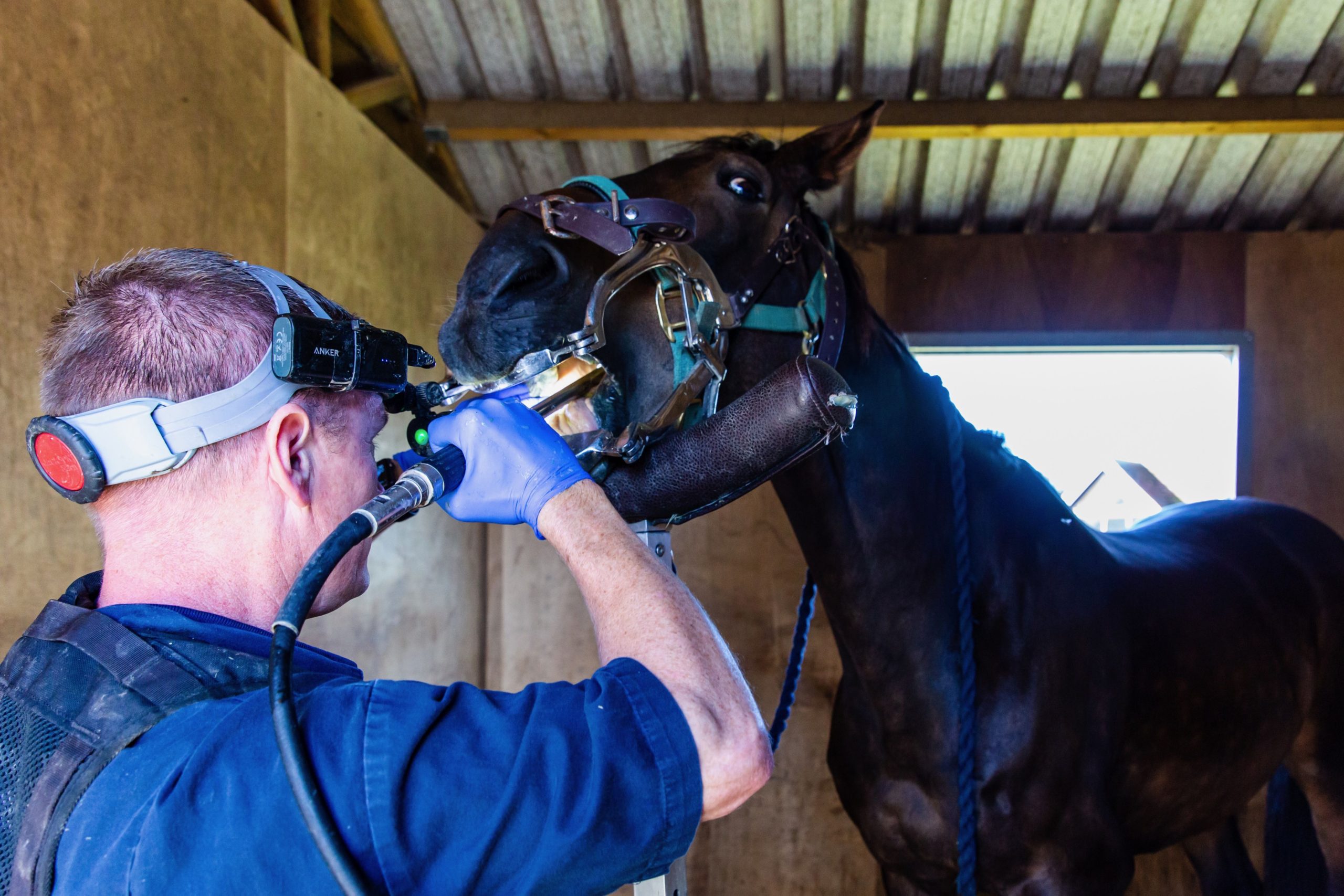
Dental exam
Lameness investigations
Reproductive Services