

Gastric Ulcers | Part II – Treating Equine Gastric Ulcers: Your Options Explained
You’ve had the gastroscopy, we’ve confirmed the diagnosis — now what? Here’s a straightforward guide to the treatment options available for horses with gastric ulcers.
Medical Treatment
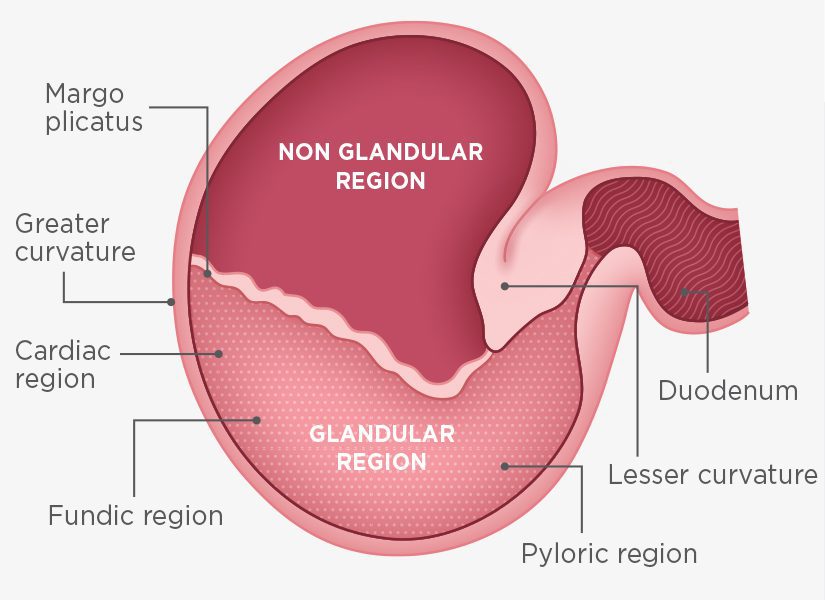
The gold standard medical treatment for equine gastric ulcers is omeprazole, a proton pump inhibitor that works by reducing the amount of acid the stomach produces. It’s the only licensed treatment for EGUS in horses and is available in paste or granule form. A typical treatment course runs for 28 days, though horses with glandular ulcers (EGGUS) often require longer courses and may need additional medication.
For glandular ulcers specifically, omeprazole alone is sometimes not enough. Your vet may recommend combining it with sucralfate, a medication that coats and protects the damaged stomach lining, or misoprostol, which helps restore the stomach’s natural protective mucus layer. Because EGGUS can be more stubborn to resolve, follow-up gastroscopy is often recommended to confirm healing before stopping treatment.
Dietary Management
Medication works best when paired with changes to how your horse is fed and managed. The goal is to reduce acid exposure and support natural stomach protection:
-
- Maximise forage — Hay or haylage should be available as close to constantly as possible. Even a small amount of forage keeps acid buffered and reduces the risk of it splashing onto the stomach lining.
- Feed little and often — If hard feed is necessary, split it into smaller, more frequent meals rather than one or two large feeds.
- Feed forage before exercise — Giving your horse a small hay net before work provides a physical buffer in the stomach, reducing acid splash during faster paces.
- Reduce starch and sugar — High-concentrate diets ferment rapidly and can worsen stomach acidity. Consider replacing some hard feed with a high-fibre, low-starch alternative.
- Consider a stomach buffer — Some owners use products containing calcium carbonate, while these aren’t a substitute for proper treatment, there are anecdotal reports that this can provide additional support.
Management and Lifestyle Changes
Alongside diet, addressing the broader environment and routine can make a significant difference:
-
- Increase turnout — Horses at grass graze almost continuously, which is the most natural way to keep stomach acid buffered. More turnout time generally means a healthier gut.
- Reduce stressors — Competition schedules, travel, social isolation, and frequent changes in routine all contribute to ulcer development. Where possible, aim for consistency and companionship.
- Review NSAID use — If your horse is on regular pain relief such as phenylbutazone, speak to your vet about whether the dose or duration can be reduced, or whether a gut-protective medication should be given alongside it.
Preventing Recurrence
Treating ulcers is only half the battle — without addressing the underlying causes, they are likely to return. Once your horse has completed their treatment course and had a follow-up scope to confirm healing, your vet can help you put together a long-term management plan tailored to your horse’s workload, diet, and lifestyle.
Some horses — particularly those in hard work or with a history of recurrence — may benefit from a maintenance dose of omeprazole during high-risk periods, such as the competition season or when travelling frequently.
Think your horse has ulcers?
Get in touch or read more....


