

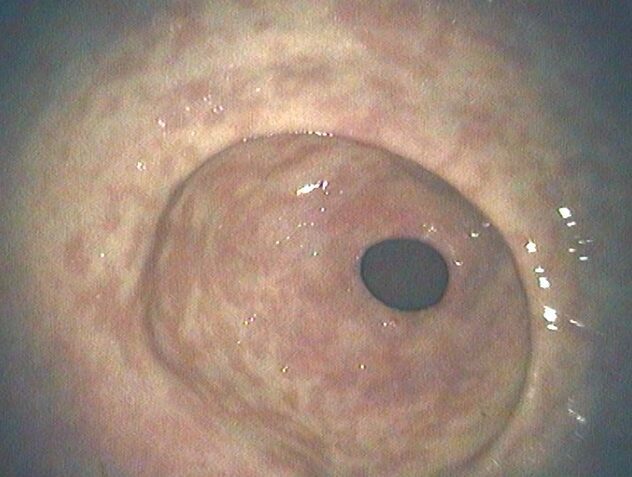
Gastric Ulcers | Part I – Understanding Equine Gastric Ulcers
What every horse owner needs to know about one of the most common — and commonly missed conditions in horses.
If your horse seems “off” — reluctant to work, girthy, losing condition, or just not quite themselves — gastric ulcers could be the cause. Equine Gastric Ulcer Syndrome (EGUS) is surprisingly common, affecting up to 90% of racehorses and around 60% of performance horses. Even leisure horses are not immune. The good news? Once you understand what’s happening inside your horse’s stomach, you’re better placed to spot the signs early and take action.
What Are Gastric Ulcers?
A gastric ulcer is essentially a sore or erosion on the lining of the stomach. The horse’s stomach is divided into two distinct regions: the upper squamous region (non-glandular) and the lower glandular region. The squamous lining has very little natural protection against stomach acid, making it especially vulnerable to damage — and this is where most ulcers occur.
Unlike humans, horses produce stomach acid continuously — 24 hours a day, 7 days a week — regardless of whether they have eaten. In the wild, horses evolved to graze almost constantly, keeping a buffer of forage in their stomachs at all times. Modern management practices, however, can leave horses with long gaps between meals, allowing acid to pool and cause damage.
What Causes Gastric Ulcers?
Ulcers rarely have a single cause — they’re usually the result of a combination of factors that disrupt the natural balance in the stomach:
Infrequent feeding or long periods without forage: When the stomach is empty, acid continues to be produced with nothing to buffer it. Even a few hours without forage can allow acid to splash onto the vulnerable squamous lining.
High-grain, low-forage diets: Concentrates are digested quickly and don’t provide the long-lasting buffer that forage does. Diets high in starch and sugar also ferment in the hindgut, producing volatile fatty acids that can cause additional damage.
Intense exercise: During fast work, the stomach compresses, causing acidic contents to splash upward onto the unprotected squamous lining. Horses in hard training are therefore at significantly higher risk.
Stress: Whether from travel, competition, changes in routine, or social isolation, stress affects gut motility and acid secretion — both of which can contribute to ulcer development.
NSAIDs (e.g. bute/phenylbutazone): These medications inhibit the production of prostaglandins, which are important for maintaining the protective mucous lining of the stomach — particularly in the glandular region.
Limited turnout or stabling: Horses kept in stalls for long periods have less opportunity to graze and more opportunity to experience the kind of stress and inactivity that promotes ulcer formation.
Types of Equine Gastric Ulcers
The umbrella term EGUS encompasses two distinct syndromes that differ in location, cause, and treatment:
Equine Squamous Ulcer Syndrome (ESGUS)
This is the most commonly diagnosed form, affecting the upper squamous lining of the stomach. It’s strongly associated with dietary management and exercise. The squamous lining doesn’t secrete acid or mucus, so it has no built-in defence against acid exposure. ESGUS often responds well to management changes — particularly increasing forage intake and reducing long periods without food — alongside appropriate medical treatment.
Equine Glandular Gastric Ulcer Syndrome (EGGUS)
This form affects the lower glandular region of the stomach, which normally produces acid and has its own protective mucus layer. When that protection breaks down — due to stress, NSAID use, or other factors — ulcers can form here too. EGGUS is often considered more challenging to treat than ESGUS, and it doesn’t always respond as predictably to management changes alone. It requires a longer course of treatment and close monitoring.
Recognising the Signs
One of the most frustrating things about gastric ulcers is how variable the symptoms can be. Some horses with severe ulcers show very few outward signs, while others with mild ulcers can seem quite uncomfortable. That said, there are some key signs to watch for:
-
- Poor appetite or reluctance to eat, particularly hard feed
- Weight loss or difficulty maintaining condition despite a good diet
- Dull or poor coat condition
- Recurrent low-grade colic, especially after eating
- Girthiness or sensitivity around the flanks and belly
- Changes in behaviour — including reluctance to work, irritability, or a general ‘grumpy’ attitude
- Resistance under saddle, particularly to lateral work or contact
- Teeth grinding (bruxism) — more commonly seen in foals
- Loose droppings or changes in manure consistency
It’s important to note that these signs can also indicate other conditions. The only way to definitively diagnose gastric ulcers is through a gastroscopy — a procedure in which we use a camera to examine the stomach lining directly.
What Should You Do If You’re Concerned?
If you recognise any of the signs above in your horse, the first step is to contact the practice. Don’t be tempted to treat speculatively — whilst some treatments are available, treating without a specific diagnosis means you may miss something else entirely, or fail to treat the right type of ulcer in the right way.
In the meantime, simple management steps — such as ensuring your horse always has access to forage, reducing stressors, and limiting intense exercise — can help support their stomach health while you wait for a gastroscopy.
If you have any concerns about your horse’s health or would like advice on gastric ulcer prevention, please don’t hesitate to get in touch with our us.
Think your horse has ulcers?
Get in touch or read more....


